Homeowner's Guide to Upgrading Your HVAC System
Deciding to replace your home's HVAC system is a big move that can really affect how comfortable your home feels and how much you pay in utility bills. If you've noticed your energy costs creeping up, uneven temperatures in your rooms, or if your system's getting old, it might be time to think about a replacement. Let's walk through what you need to know before you sign on the dotted line. Whether you're eyeing new heating systems or considering a full upgrade, a little planning now can save you from expensive mistakes and ensure you pick the right setup for the long haul.
The HVAC market is buzzing with changes, and 2026 is expected to be a big year for replacements. Experts say there's going to be a surge in replacements, rising equipment costs, and more interest in heat pump electrification. Consumers today are juggling comfort, efficiency, and new standards like SEER2. Understanding these trends can help you navigate the decision-making process, especially when weighing repair versus replacement or choosing a reliable partner for cooling systems service.
In this guide, we’ll cover everything a homeowner should know before upgrading an HVAC system, including timing, sizing, costs, and maintenance. You'll also find practical advice for making smart decisions in a market where labor shortages, material costs, and new tech all factor in. If you want more info on sizing, take a look at our piece on getting the right HVAC size for your home.
Why Replacing Your HVAC is Trending Now
Systems are Hitting the End of Their Run
Many HVAC systems installed around the mid-2000s are now on their last legs, which is driving a wave of replacements. Experts predict a peak in replacements by 2026, with a significant number of homeowners considering upgrades. It’s not too surprising when you consider how many homes are still relying on patched-up systems that have seen better days. Once repairs become frequent, the benefits of replacing often outweigh the cost of another fix.
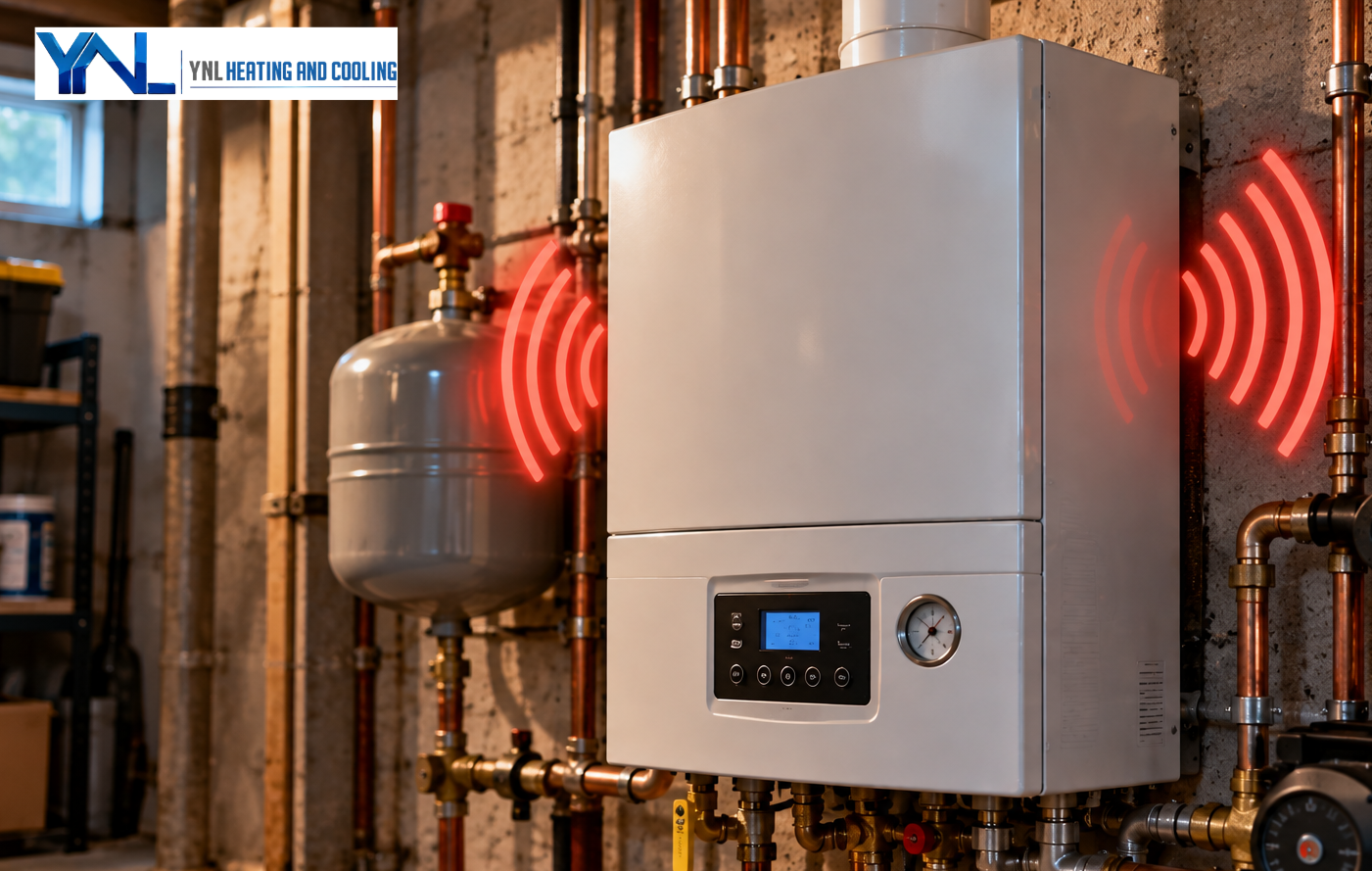
Here's why it matters: older systems lose their efficiency over time, even if they still operate. Parts wear out, coils get grimy, motors lag, and refrigerant technology becomes outdated. This makes it tough for your system to keep up, especially in extreme weather. In northern Illinois, that means your system works extra hard during both hot summers and cold winters.
Prices are Pushing Homeowners to Choose Wisely
Since 2019, HVAC replacement costs have spiked, with equipment prices up by 60% to 100% in many cases. A system that used to cost $6,000 to $8,000 might now be in the $10,000 to $15,000 range, depending on your home and the equipment you choose. Tariffs, manufacturer price hikes, and new refrigerant transitions are all culprits here. If you delay planning, you may find yourself making rushed decisions after a breakdown, which often leads to stress and fewer options.
The U.S. Department of Energy backs up this trend, noting that HVAC efficiency standards keep evolving. Knowing what these changes mean for future costs and equipment selection can give you an edge when evaluating bids and deciding which system suits your home best.
Electrification is Changing the Game
There’s also a noticeable shift towards heat pumps. Recent reports show heat pumps outselling gas furnaces by 32% in the U.S., signaling a strong move towards electrification. They’re appealing for those wanting a single system that efficiently heats and cools. In many homes, a well-chosen heat pump can provide year-round comfort while cutting fuel dependence and emissions.
However, it's not one-size-fits-all. Climate, insulation, ductwork, utility rates, and existing gas service all play a role in what’s best for your home. It's smart to explore heat pump options when replacing old equipment, especially if you want to future-proof your home. Check out our modern HVAC technology guide for more on how new systems are improving efficiency and control.
When to Replace Instead of Repair
Your System is Over 10 to 15 Years Old
Age isn't the only reason to replace, but it's a strong indicator. Most HVAC systems last about 10 to 15 years for air conditioners and 15 to 20 years for furnaces, depending on upkeep, usage, and installation quality. Once you pass that window, major breakdowns become more likely, and repair costs can be unpredictable. If your system's older and struggling, replacement might be the more cost-effective route.
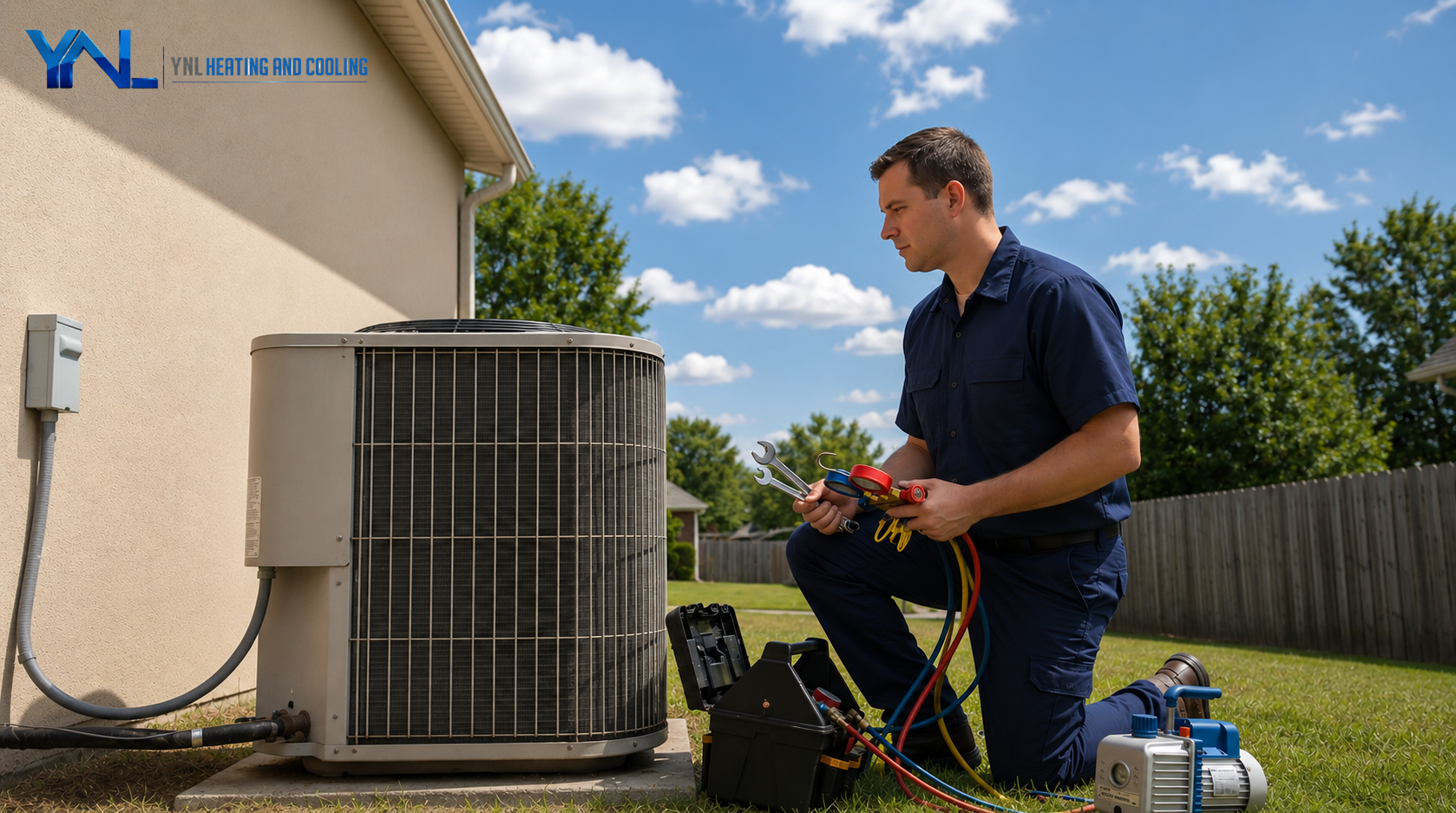
That's where a close inspection comes in. Some systems can still be serviced, while others are declining because crucial parts are no longer dependable or affordable to replace. A tech can help decide if your equipment still has life in it or if replacement will save you money down the road. If you’re dealing with performance issues, furnace repair or AC repair can help weigh short-term fixes against long-term solutions.
Repair Bills Keep Climbing
A good rule of thumb is if repair costs approach half the price of a new system, it's time to seriously think about replacement. Frequent breakdowns also bring hidden costs like missed work, uncomfortable rooms, and emergency calls during peak weather. The longer you wait, the more likely you’ll face a breakdown at the worst time.
Parts availability is another thing to consider. As systems age, some components become harder to find, driving up both labor time and parts costs. A unit that seemed worth fixing might become a bad investment after one more major failure. Scheduling preventative maintenance often catches these problems early, giving you a better window to plan replacement rather than react to an emergency.
Higher Energy Bills
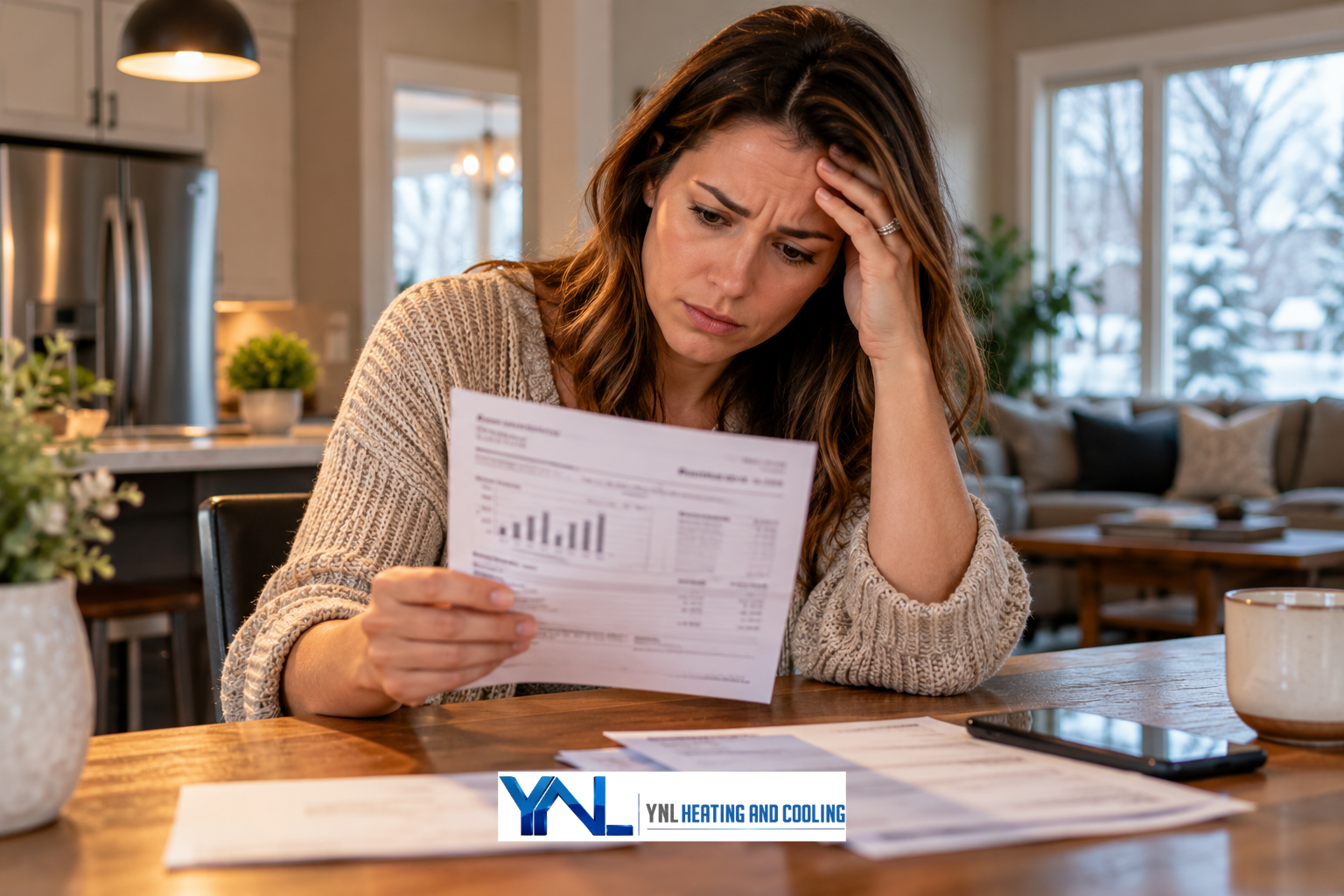
If your utility bills are climbing without a clear reason, an inefficient HVAC system might be the culprit. Worn parts, refrigerant loss, poor airflow, and aging controls all reduce efficiency. Newer systems, especially those with strong SEER2 ratings, can significantly improve energy use compared to older models. While not an instant fix, they can help reduce the ongoing cost of keeping your home comfy.
A quick energy audit can help separate HVAC issues from insulation or air leakage problems. In some homes, replacement should go hand in hand with duct sealing, attic insulation, or smart thermostat upgrades to maximize results. If you’re exploring efficiency upgrades, our smart HVAC upgrades article is a handy resource for homeowners looking to save over time.
Picking the Right HVAC System for Your Home
Start with Proper Sizing and Load Calculation
One common mistake is thinking bigger equipment is better. Oversized systems can short-cycle, waste energy, and mess up humidity control, while undersized ones may struggle on extreme days. A licensed tech should perform a load calculation based on your home's specifics like square footage and insulation. Getting the right size is crucial because the best HVAC system is one that fits your home perfectly.
The Air Conditioning Contractors of America emphasizes the importance of right-sized systems and proper installation. For a deeper dive into this, our article on HVAC sizing explains why precise calculations matter before investing in new equipment. When you know your home's load, it's easier to compare bids and ask informed questions.
Compare Furnace, AC, and Heat Pump Options
Replacement isn't one-size-fits-all. Some need a new furnace and AC, while others might benefit from a heat pump or dual-fuel setup. Heat pumps are appealing because they move heat rather than create it, making them highly efficient in milder conditions. In colder regions, advanced cold-climate heat pumps are becoming more common, but the right choice still depends on your home design and utility costs.
When reviewing options, ask how each system performs in both heating and cooling modes. Discuss compatibility with your ductwork, the age of your thermostat, and whether your electrical panel can handle a more efficient setup. If your current furnace is unreliable, compare furnace installation with a heat pump replacement to make a balanced choice.
Look Beyond the Price Tag
The cheapest system isn't always the best deal over time. Efficiency ratings, maintenance needs, warranty coverage, and installation quality all impact the true cost of ownership. A slightly pricier system might save more on utilities and reduce repairs over a decade or so. That's why thinking in terms of total value, rather than just the initial bill, is wise.
Ask contractors about expected operating costs, not just upfront prices. If the quote includes smart controls, better filtration, or zoning options, those could improve comfort and reduce waste. For homes with older cooling gear, AC installation can be a smart upgrade paired with a high-efficiency system that suits your cooling load.
Understanding SEER2, Refrigerants, and Efficiency Rules
SEER2: A New Way to Measure Efficiency
SEER2 replaced the older SEER framework, introducing stricter real-world efficiency testing. That means two systems with similar-looking labels might not perform the same way at home. Focus on the actual SEER2 rating, not just marketing claims. Higher efficiency typically costs more upfront, but it can lower operating costs and reduce system strain over time.
Ask your contractor how the equipment will perform in your climate and home conditions. Efficiency alone isn't enough if the system is poorly installed or paired with leaky ductwork. Maintenance, airflow balancing, and proper commissioning are just as important. The ENERGY STAR heating and cooling guidance is a helpful resource when comparing efficient systems.
The Shift to R-454B Refrigerant
The HVAC world is moving towards R-454B refrigerant as manufacturers phase out older types. This affects equipment choices and prices because manufacturers must redesign components and train techs on new handling procedures. You don't need to know every detail, but understanding this shift helps explain rising replacement costs. It also means some older systems might become less practical to repair.
When you get estimates, ask about the refrigerant the new equipment uses and what that means for future service. A system with newer refrigerants might have better long-term support but should still be evaluated on performance and fit. Regular heating and cooling service can keep your equipment running smoothly as standards evolve.
Local Codes and Climate Considerations
In areas like Kildeer and the Chicago suburbs, code compliance and climate are key. Winters demand reliable heating, while summers can push cooling equipment to its limits. A system that performs well in a mild region might not be ideal for a home needing strong seasonal flexibility. A contractor should consider both your property and local conditions before making recommendations.
Ensure installation permits, inspections, and code requirements are handled correctly. Proper permitting protects your investment and helps avoid hassles during a future sale. If your home has special needs, like zoning or specialty equipment, boiler repair and system planning are especially valuable when making replacement decisions.
Evaluating Costs and Financing Options
Understand What Affects the Price
HVAC replacement costs depend on more than just equipment size. Duct mods, electrical upgrades, thermostat replacements, labor rates, refrigerant type, and system complexity all play a role. A basic swap is usually less costly than a full redesign, but many homes need more than a simple changeout for reliable performance. Ask each contractor for a clear breakdown of their quote.
When reviewing bids, compare apples to apples. Look at model numbers, labor warranties, installation scope, and any included accessories. A lower quote might skip important items like condensate improvements or airflow adjustments. The goal is to understand value, not just the bottom-line number.
Think About Total Cost of Ownership
When deciding on a replacement, consider utility savings, maintenance needs, expected lifespan, and comfort improvements. A newer system might cost more now, but if it reduces repair frequency and energy use, the long-term value can be stronger. This is especially true with an older system already needing repeated service. Reliable comfort is part of the value too.
Predictive maintenance is changing how people think about system ownership. Industry data shows it can deliver a significant return on investment and cut maintenance costs. For homeowners, the lesson is simple: good installation followed by consistent maintenance can extend life and reduce surprises. Protect your investment with regular preventative maintenance from the start.
Explore Financing and Warranties
With rising costs, financing is now a bigger part of the conversation. Ask about financing options, payment terms, and any labor warranties beyond the manufacturer's coverage. Solid warranty support makes a big difference if a component fails early or if installation issues arise. A trustworthy contractor should explain the warranty clearly.
Financing should help you get the right system, not pressure you into a wrong choice. If replacing both heating and cooling at once, bundling the project can sometimes enhance value and simplify scheduling.
What to Expect During Installation
Prepare Your Home for Installation Day
A smooth replacement starts with prep. Clear access to the furnace, air handler, condenser, and electrical panel. Move furniture if needed, secure pets, and ensure the tech has room to work safely. If the project involves duct changes or a thermostat upgrade, ask how long the system might be offline. Good prep helps the installation go faster and reduces delays.
You should also ask if the contractor will test airflow, verify refrigerant charge, and check start-up performance after installation. These checks matter because a new system can still underperform if not set up right. Homeowners benefit from working with companies that prioritize installation quality.
Complete the Final Walkthrough
Before the job wraps up, ask for a walkthrough of the new system. Learn how to operate the thermostat, change filters, and spot basic warning signs. Request copies of manuals, warranty info, and any paperwork related to permits or equipment registration. A professional installer should be happy to explain everything.
This is also a good time to ask about future service. If your replacement includes heating and cooling components, having a single company handle both can simplify maintenance. For residents in the area, YNL Heating And Cooling offers reliable cooling systems and heating solutions year-round.
Avoiding Common Mistakes
Don’t Skip the Load Calculation
One of the costliest mistakes is replacing a system without proper sizing. Without a load calculation, you might end up with equipment that's too big or too small for your home, leading to comfort issues, premature wear, and wasted energy. Always check if the contractor did a Manual J-style analysis or a similar sizing method.
If a quote seems too fast or generic, take it as a warning sign. Reliable HVAC replacement should be tailored, not rushed. The right system choice depends on your actual home, not a generic template.
Don't Overlook Ducts, Insulation, and Airflow
New equipment alone can't fix problems caused by poor ductwork or weak insulation. In some homes, ducts leak so much air the new unit never reaches its potential. In others, poor airflow creates hot and cold spots regardless of system efficiency. Treat replacements as part of a whole-home comfort strategy.
If your ductwork needs attention, ask your contractor to explain the impact on performance and comfort. Sometimes small fixes make a big difference. In homes with recurring temperature issues, preventative service and air balancing can complement the new system and improve daily comfort.
Don’t Skip Maintenance
A new HVAC system still needs regular care. Changing filters, annual tune-ups, coil cleaning, and performance checks keep equipment running as intended. Without maintenance, efficiency drops, and small issues can become costly repairs. Replacement is the start of a new maintenance cycle, not the end of responsibility.
Homeowners who plan for maintenance enjoy better comfort and fewer surprises. If you're replacing your system soon, ask your contractor about a maintenance schedule that keeps both heating and cooling components in top condition.
FAQs About HVAC Replacement
Should I Repair or Replace My System?
If your system is over ten years old, needs frequent repairs, or causes high energy bills, replacement is often the smarter long-term choice. A tech can help compare repair costs against the system's remaining life and estimate future service needs. Often, the best answer comes from looking at the overall trend rather than one isolated issue.
How Long Does Installation Take?
Most residential installations take a day, but more complex jobs can take longer. Duct changes, electrical upgrades, or code-related work might extend the timeline. Your contractor should explain the schedule beforehand so you know what to expect.
What Should I Ask Before Signing a Contract?
Ask about sizing, efficiency ratings, refrigerant type, warranty terms, installation scope, permits, and maintenance recommendations. Also, find out how the contractor will test the system after installation and if the quote covers everything needed for a complete job. Clear answers show professionalism and experience.
Conclusion: Make Your HVAC Upgrade a Smart Move
Upgrading your HVAC system isn't just a purchase; it's a long-term commitment to comfort and peace of mind. The best results come from careful sizing, smart equipment choices, honest cost comparisons, and expert installation. When you understand current market trends and changes in efficiency rules, you can make a decision that works for you now and for years ahead.
If you're facing frequent repairs, rising bills, or uneven comfort, now's the time to plan instead of waiting for an emergency. Start by evaluating your system's age and performance, then talk with a trusted contractor about your options. For homeowners in the area looking for reliable guidance, YNL Heating And Cooling is here to help with expert solutions, including AC installation and full system support. Ready to take the next step? Contact us today to schedule an evaluation and get a plan that fits your home, goals, and budget.