Complete Guide to Modern HVAC Technology and Home Comfort in Kildeer, IL
Modern heating and cooling systems have completely changed how we think about comfort at home. Today’s HVAC systems do much more than just heat and cool—they're smart, efficient, and can even help you save on energy bills. If you're looking into smarter comfort options, knowing what's out there is a great place to start. Whether you're comparing heating systems or planning an upgrade, understanding these innovations can make all the difference.
At YNL Heating And Cooling, we've seen how quickly expectations have changed. Homeowners want reliable performance, lower utility bills, cleaner air, and the ability to control everything from their phones. That's why modern HVAC technology is such a game-changer. It offers conveniences and efficiencies that older systems just can't match. Also, a well-designed system can reduce strain on important components, which is why preventative maintenance is more important than ever.
This guide breaks down the key innovations in home comfort today, such as smart thermostats, indoor air quality tools, and variable refrigerant flow systems. You'll also learn how these technologies affect energy use, what they cost, and how to evaluate compatibility with your home. To give you a broader perspective, the U.S. Department of Energy highlights that heating and cooling account for a significant portion of household energy consumption, making efficiency upgrades very valuable.
Why Modern HVAC Technology Matters More Than Ever
Comfort is now personalized, not generic
Older HVAC systems typically had one job: heat or cool the entire house to a set temperature. While that worked, it often ignored differences in room usage, occupancy, and personal preferences. Modern HVAC systems change this by making comfort more dynamic. They use data from sensors and schedules to create a more personalized environment.
This shift is important because not all areas in a home are used the same way. Bedrooms might need to be cooler at night, kitchens may need more ventilation, and upstairs areas might need different airflow than a basement. A smart, adaptable system reduces temperature swings and helps everyone feel more comfortable without constantly adjusting settings. Pairing this with the right cooling systems service plan often leads to smoother performance and fewer complaints about uneven temperatures.
Energy costs and efficiency goals are driving upgrades
Energy efficiency is a big reason homeowners are opting for modern HVAC solutions. Rising utility prices and an interest in sustainable living make high-efficiency equipment and smart controls more appealing. The ENERGY STAR program shows how efficient systems and qualified controls can cut down on wasted energy while keeping comfort levels high. For many, this means a more comfortable home and lower monthly bills.
But efficiency isn't just about new equipment. Proper system sizing, solid duct performance, and regular tune-ups also matter. Even the most advanced system needs professional installation and regular care to deliver promised savings. This is why many homeowners pair upgrades with residential AC installation or furnace replacement rather than trying to make old equipment fit new technology.
Smart Thermostats and Home Automation
How smart thermostats improve daily living
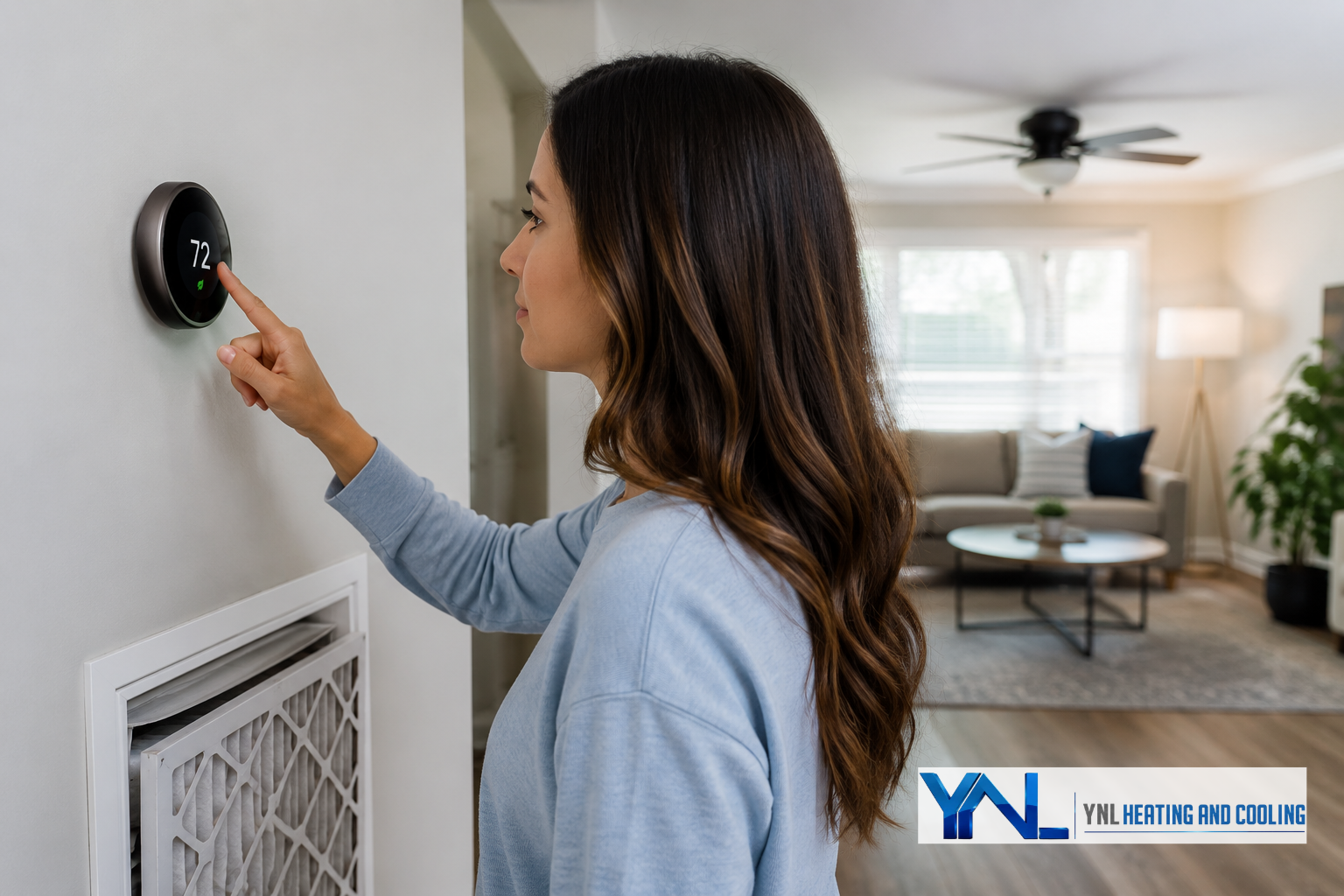
Smart thermostats are a big step forward in residential HVAC. Early models allowed schedule setting and remote control, but today's versions do much more. They can build comfort profiles, adapt based on occupancy, and even suggest energy-saving adjustments.
This makes life easier for families by providing consistent comfort without constant manual input. The system makes small adjustments automatically, so when you wake up, come home, or leave, the house is just the way you like it, with less energy used when no one is home. This convenience is why smart thermostats are so popular in home automation.
Connecting HVAC with other smart home devices
Modern comfort often involves coordination between multiple devices. A smart thermostat might communicate with humidifiers, air purifiers, or occupancy detectors to create a more responsive system. If air quality drops, the system can improve ventilation or filtration.
This integrated approach fits well with the trend of home automation. Many homeowners want to manage their home environment in one place, and that's especially useful during seasonal changes. If your current setup shows signs of age, a professional residential furnace repair can be a great opportunity to discuss smarter control systems.
Real-world savings from smarter control
One of the best things about smart thermostats is the savings. Installing one and using occupancy-based scheduling can reduce unnecessary runtime. For instance, a homeowner reported a 20% reduction in energy bills after their thermostat adjusted temperatures based on occupancy and routine.
Getting the most out of smart thermostats means thinking of them as part of a larger strategy. The device performs best when installed on compatible equipment, calibrated correctly, and combined with good maintenance habits. For systems struggling to keep up, a licensed technician can evaluate whether it's a control issue, airflow problem, or if a residential furnace installation makes sense.
Indoor Air Quality and HVAC Integration
Why air quality now sits at the center of comfort
Comfort isn't just about temperature anymore. Homeowners want clean air that supports good breathing and lowers allergen levels. Modern HVAC systems are designed to work with indoor air quality (IAQ) tools like filters, purifiers, and dehumidifiers.
The U.S. Environmental Protection Agency points out that indoor air quality can affect both comfort and health. This makes ventilation and filtration more important than people realize. A system that only heats or cools may not provide the healthiest environment without managing humidity and circulation effectively.
Benefits of balancing humidity and filtration
Humidity control plays a big role in comfort. Dry air can irritate skin and throats, while high humidity can make air feel sticky and encourage mold. Modern systems regulate these conditions more accurately than older systems.
Better filtration is equally important. High-efficiency filters capture more dust and particles but need to be matched to the equipment to avoid airflow issues. For homes with allergies, adding air cleaning products can make a noticeable difference. Before making changes, consult a contractor about system compatibility. A good technician can also check if the existing setup needs residential AC repair or a broader airflow correction.
When IAQ upgrades make the biggest difference
Upgrades in indoor air quality are especially useful in homes with pets, smokers, or allergy sufferers. They're also beneficial in homes sealed tightly for energy savings, as less natural air exchange can mean more pollutant buildup. Better filtration or humidity management can have a bigger impact than just adjusting the thermostat.
Remember, clean air depends on maintenance. Filters need regular changing, ducts should be inspected, and humidifiers must be cleaned to avoid new issues. Modern HVAC technology provides the tools, but professional service keeps them effective over time.
Variable Refrigerant Flow and Zoned Comfort
How VRF systems create room-by-room comfort
Variable Refrigerant Flow, or VRF, is a high-tech comfort solution gaining popularity in homes. Unlike older systems, VRF adjusts refrigerant flow based on demand, allowing different rooms to have different heating or cooling levels.
For homes with multiple stories or uneven sun exposure, this is a big improvement. The system responds to actual demand, reducing energy waste and improving comfort. If you've struggled with hot and cold spots, VRF can offer a more precise solution.
Why zoning matters in larger or complex homes
Zoning is an effective way to match HVAC output to real living patterns. A single thermostat often can't represent the comfort needs of an entire house. Factors like sunlight, insulation, and ceiling height all affect how a room feels. Zoning allows the system to deliver comfort where needed, instead of wasting energy on unused spaces.
In homes with finished basements or separate office spaces, zoning can be especially helpful. These areas are often used differently and need targeted control. When planning a layout, a contractor can determine if duct changes, new dampers, or different equipment is the best choice. In some cases, a personalized solution may be as valuable as a new residential AC installation because the comfort improvement is significant.
Case study: multi-level comfort solved with smarter zoning
Take a family living in a multi-level home. They had issues with hot upstairs bedrooms in summer and a cold lower level. While their system worked, it couldn’t address the home's different thermal zones. After installing a VRF-based system, they maintained consistent temperatures throughout the home with less manual adjustment.
The biggest improvement was comfort and predictability. Everyone knew the house would feel balanced, reducing frustration. While not every house needs VRF, this shows how modern technology can solve comfort issues that older equipment couldn't handle.
Predictive Maintenance and System Reliability
How AI and diagnostics reduce surprise breakdowns
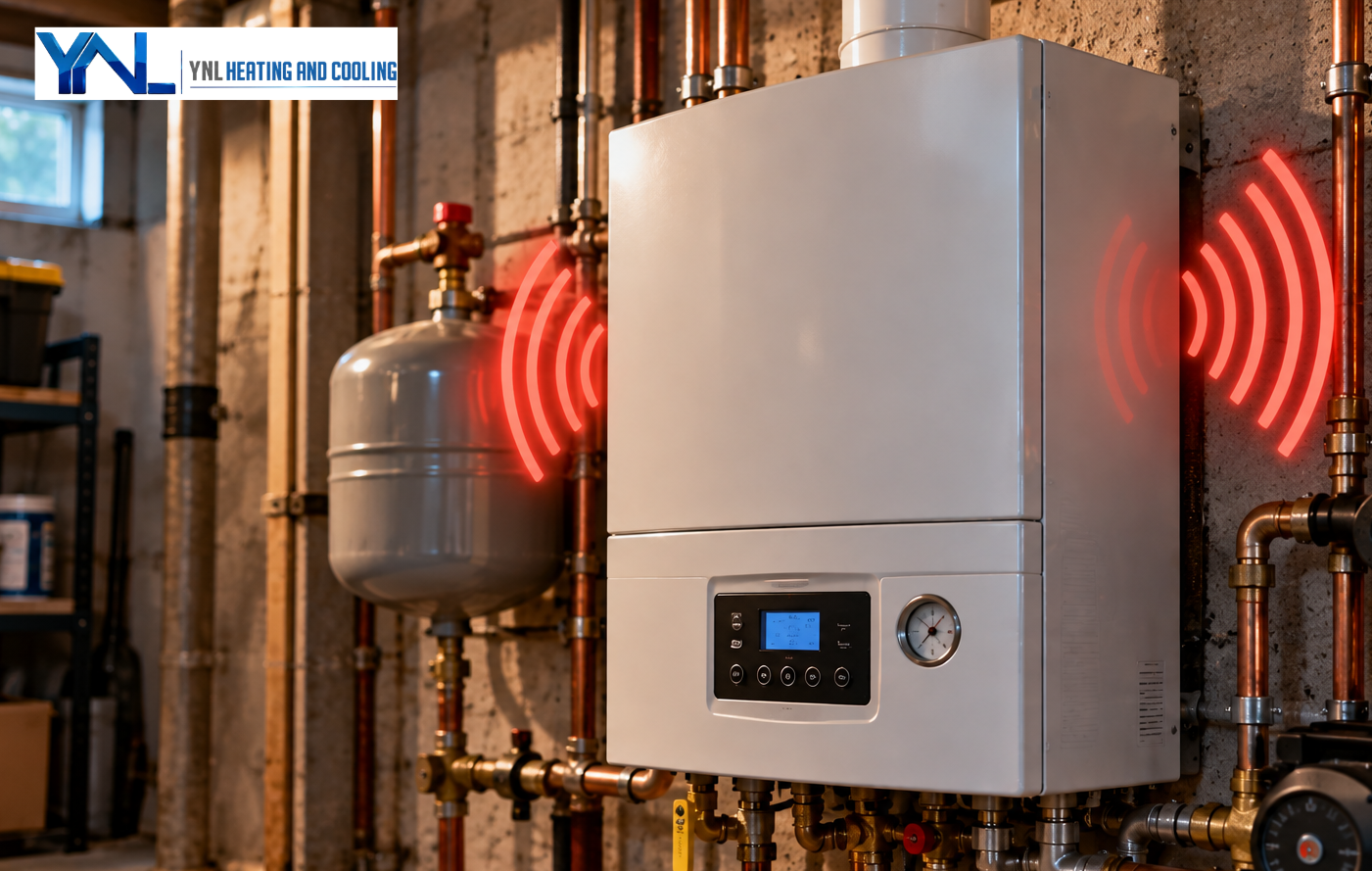
Predictive maintenance is a practical use of modern HVAC technology. Instead of waiting for a system to fail, diagnostics look for early signs like unusual cycling or weak airflow. This allows technicians to fix issues before they become major problems, reducing emergency calls.
The National Institute of Standards and Technology supports this by helping industries improve reliability through better data and diagnostics. Predictive maintenance can extend equipment life, reduce wear, and help technicians focus on specific repairs instead of guesswork.
Why regular service still matters in a smart system
Even advanced equipment needs human attention. Sensors can't clean coils or replace parts. That's why smart systems work best with scheduled inspections. A maintenance program supports efficiency, comfort, and safety.
Keeping up with seasonal service is part of protecting your investment. Small issues like a dirty filter can cause bigger problems if ignored. If your system is showing trouble, pairing diagnostics with preventative maintenance is a reliable way to restore performance.
Signs your system may need professional attention
Watch for warning signs like uneven temperatures, unusual noises, or rising utility bills. These can point to control issues, blocked airflow, or mechanical wear. Even in newer systems, these issues can indicate a need for professional diagnosis. The sooner a technician identifies the problem, the more likely it is that the fix will be affordable and effective.
Costs, Compatibility, and Upgrade Planning
What homeowners should expect to invest
Cost is usually the first question when considering modern HVAC technology. Advanced thermostats, IAQ accessories, and high-efficiency systems can require a larger initial investment. However, lower energy use and fewer repairs can offset the upfront cost.
Start by evaluating your home’s biggest comfort problems. A reliable furnace but poor control might just need smart controls. Older equipment with frequent breakdowns could benefit more from replacement. The right investment should fit your home, budget, and comfort goals.
Compatibility with existing systems
Not every new feature works with every system, which is why professional guidance is essential. Some thermostats need a common wire, and some IAQ devices require specific airflow. Zoning can also need duct changes or redesigned controls.
A professional contractor can evaluate your system and recommend the best upgrades. Sometimes a simple repair provides enough stability for a smart thermostat. In other cases, an older system may be too inefficient, making replacement a better choice. If your cooling performance is declining, consider a cooling systems evaluation before deciding.
Planning for climate and household needs
Your local climate should influence upgrade decisions. In areas with harsh winters and humid summers, the system needs to handle seasonal swings without losing efficiency. That's why homeowners value solutions that combine comfort control and reliable heating performance.
Household size matters too. A busy home with kids or remote workers needs more flexible comfort control than a smaller property. A customized plan can improve air quality and make the home easier to maintain year-round.
Practical Tips for Getting the Most from Modern HVAC Technology
Start with an honest system assessment
The best upgrade plan starts with evaluating what your system does well and where it falls short. Look at comfort complaints, utility bills, and maintenance history. This helps a contractor decide if a repair, control upgrade, or full replacement is better.
If your system is still sound, it may only need targeted improvements. If it's old or inefficient, a broader replacement plan may offer more value. Either way, a careful assessment prevents wasted spending and helps you get a solution that truly solves the problem.
Prioritize maintenance from day one
Technology works best when maintained consistently. Change filters on schedule, clean coils, and check controls during seasonal tune-ups. This preserves energy efficiency and avoids the common issue of advanced systems underperforming due to lack of maintenance.
Combining seasonal service with a comfort upgrade is often the smartest move. A technician can verify everything is working properly while identifying opportunities for improvement. In homes that depend on stable heat through cold months, this is crucial when planning service for heating systems.
Work with a contractor who understands both old and new equipment
Modern HVAC technology is powerful, but not plug-and-play in every home. A knowledgeable contractor can explain which features will truly improve comfort and how to integrate new equipment with the current system. Good guidance can save money and reduce frustration.
YNL Heating And Cooling helps homeowners make informed decisions with clear communication and practical recommendations. Whether your home needs repair, replacement, or a smarter comfort approach, the goal is a system that works for real life. For more insights, check out our guide on why regular HVAC inspections are a smart move for preventing future problems.
Conclusion: Smarter Comfort Starts with Smarter HVAC Choices
Modern HVAC technology has transformed home comfort into a responsive experience. Smart thermostats, IAQ integration, VRF systems, and predictive maintenance give homeowners more control over comfort and efficiency than ever before. These innovations are about creating homes that feel better to live in every day.
The best upgrades are those that match your home’s needs. This could mean improving airflow, adding smart controls, or replacing old equipment. The right plan lowers energy waste and improves indoor living conditions in the long term. With help from an experienced HVAC contractor in Kildeer, IL, you can make choices that improve comfort now and protect performance later.
If you're ready to explore better indoor comfort, reach out to YNL Heating And Cooling to discuss your home, your goals, and the best modern HVAC solutions for your space. A more comfortable, efficient, and healthier home might be closer than you think.