Boiler Making Strange Noises? Warning Signs Every Homeowner Should Know
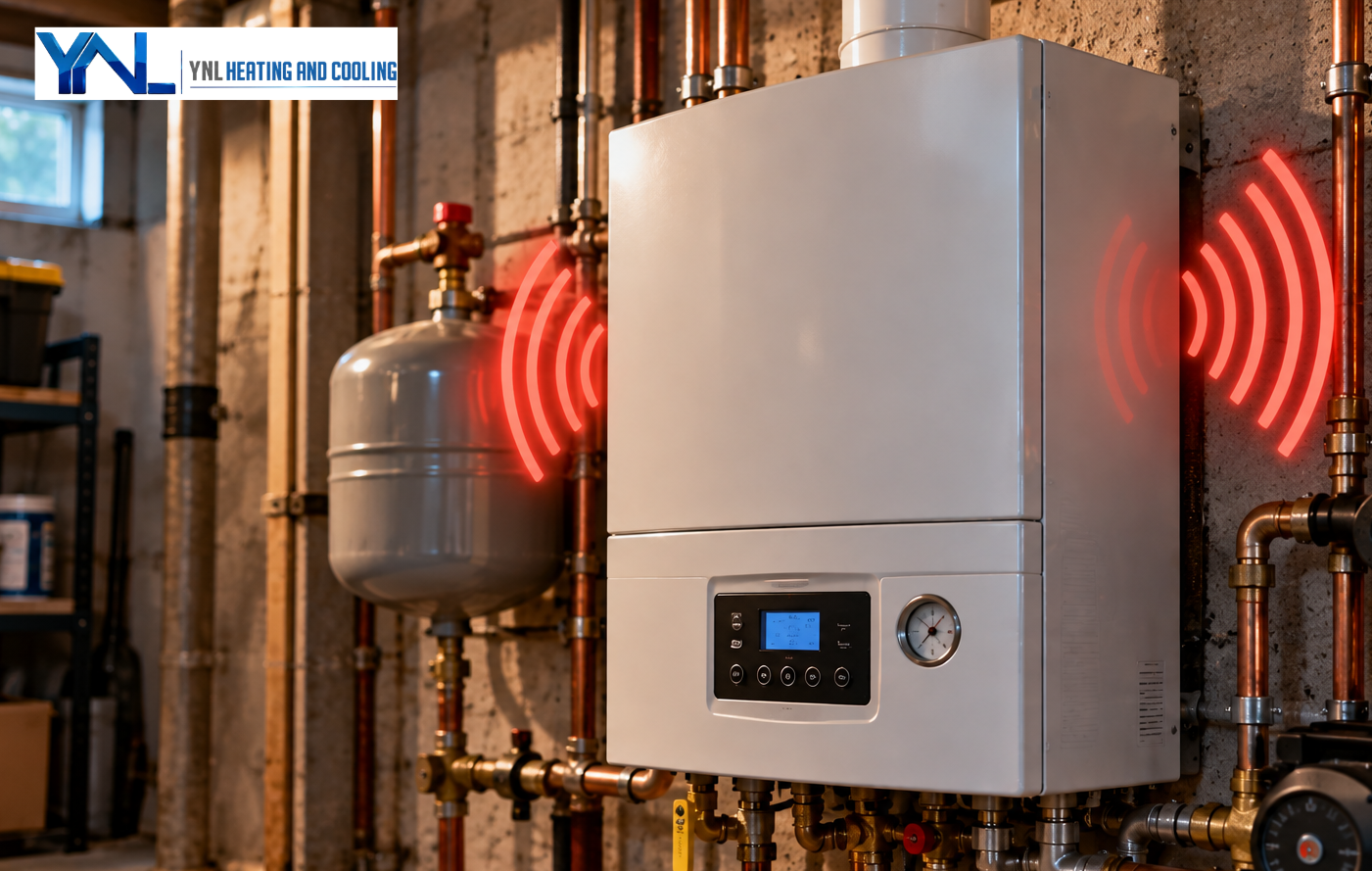
Boilers are supposed to work quietly, keeping your home cozy without much fuss. But if you start hearing banging, whistli, gurgling, or any weird noises, it's likely your system's way of telling you something's up. Ignoring these sounds, especially during cold months, can lead to bigger headaches down the road.
If your heating system is acting up with strange noises, don't worry, you're not alone. Many homeowners notice these clues long before things break down completely. This guide will help you figure out what those noises mean, when they're harmless, and when to get help. If you need a pro to take a look, our team is here for residential boiler repair, heating system service, and preventative maintenance to stop problems from getting worse.
Want more context on home heating and efficiency? It’s helpful to know how heating systems are checked for safety and performance. The U.S. Department of Energy has some great tips on home heating efficiency at Energy Saver, and the National Fire Protection Association shares practical safety info for heating-related risks. These resources remind us that strange boiler noises shouldn't be ignored.
Why Boilers Start Making Strange Noises
Air, pressure, and water flow issues
Boiler noises often start because of air trapped in the system, low water pressure, or circulation issues. If water isn't flowing smoothly through pipes and the heat exchanger, you might hear popping, gurgling, or knocking. While these might seem minor at first, they can lower efficiency and stress your system over time.
Pressure issues are common, especially in hydronic heating systems. If the pressure drops too low, your boiler might struggle to circulate water, while too much pressure can stress valves and other parts. The sounds you hear are often symptoms of these performance issues, so it's a good idea to have a technician check it out.
Lime scale and sediment buildup
Hard water and mineral buildup can cause a boiler to rumble, kettle, or sound like it's boiling. This happens when scale covers the heat exchanger, creating hot spots that cause water to turn into steam too quickly. Over time, sediment can also build up in the boiler or radiators, disrupting water flow. The EPA offers resources on water quality that can help you understand how water conditions affect home systems. Mineral buildup isn't just a cleanliness issue; it can shorten your boiler's lifespan and increase the chances of breakdowns.
Loose parts and mechanical wear
Boilers have pumps, fans, valves, fittings, and other parts that naturally wear out over time. Loose brackets, failing pumps, or worn components can create clanking, vibrating, or rattling noises. These noises might be intermittent at first, which is why some homeowners ignore them until they become more noticeable.
If the noise changes with startup, shutdown, or temperature changes, mechanical wear might be the issue. That's why it's smart to get an inspection before a small issue becomes a costly emergency. Our technicians often spot these concerns during seasonal maintenance visits, catching problems before the heating season gets busy.
The Most Common Boiler Noises and What They Mean
Banging or hammering
Banging sounds often indicate “kettling,” rapid pressure changes, or water hammer in the pipes. Kettling happens when heat exchanger surfaces get coated with scale, causing water to overheat in certain spots. Water hammer usually occurs when moving water stops or changes direction suddenly in the pipes.
These noises shouldn’t be ignored because they can signal efficiency loss and stress on components. If the banging happens when the boiler cycles on or off, it’s a useful clue for your technician. If left unresolved, the repeated impact can shorten the life of the boiler and piping.
Whistling or kettling
A high-pitched whistling or tea-kettle sound usually means water is overheating in a restricted area. Homeowners often describe this as a sharp, thin noise from the boiler cabinet. The cause is often scale buildup, sludge, or circulation issues that limit heat movement in the system.
Whistling can also happen when pressure or flow isn’t balanced properly. Since the sound is often linked to temperature and circulation, it’s a strong sign your boiler needs checking. For bigger issues, especially with older systems, our boiler repair service can determine if cleaning, part replacement, or a broader fix is needed.
Gurgling or bubbling
Gurgling often suggests trapped air in the lines, low water levels, or circulation problems. This noise is common after a system has been drained, recently serviced, or developed a small leak. It might sound harmless, but air in the system can reduce heat output and cause uneven comfort throughout your home.
Bubbling can also signal water movement issues in zones or radiators. If some rooms are warm while others stay cold, the sound may be connected to poor flow rather than just noise. That’s why boiler sounds should always be considered alongside performance symptoms.
Rattling or vibrating
Rattling noises are often linked to loose panels, unsecured pipes, or worn internal components. Sometimes it’s as simple as a mounting bracket needing tightening, while other times the noise comes from a failing pump or fan motor. A vibrating sound that gets louder over time should be treated as a warning, not just a nuisance.
Pay attention to whether the rattling happens continuously or only during specific cycles. That detail can help a technician find the source more efficiently. If your boiler is paired with other heating equipment, reviewing your full system through a heating system service can uncover related issues contributing to the noise.
When Boiler Noises Signal a Serious Problem
Uneven heating throughout the home
If the boiler is noisy and your home is heating unevenly, the system might be struggling with circulation or heat distribution. Cold rooms, slow heat delivery, and frequent cycling often mean the boiler is working harder than it should. This extra workload makes noise problems more noticeable and creates additional wear.
Uneven heating can also mean radiators, valves, or pumps aren’t working correctly. Strange noises combined with comfort issues usually indicate more than a cosmetic problem. In these cases, it’s best to schedule service before the system fails during a cold spell.
Leaks, corrosion, or visible damage
Any boiler noise paired with leaking water, rust, or corrosion deserves immediate attention. Water near electrical components, pressure controls, or valves can quickly escalate into a safety issue. Corrosion might mean parts are deteriorating internally, making the boiler less reliable and more costly to maintain.
Even small leaks can cause bigger problems by lowering pressure and introducing air into the system. If you see water stains, notice a burning smell, or observe rusty residue, shut the system down if needed and contact a professional. For older equipment, our heating replacement guidance can help you decide whether repair or replacement is the smarter move.
Frequent shutdowns or error messages
Modern boilers often shut down when they detect unsafe operation or a fault. If your boiler is making unusual sounds and also showing error codes or locking out repeatedly, there might be an ignition, pressure, or control issue. These problems can sometimes be reset temporarily, but that doesn’t solve the underlying cause.
Repeated shutdowns often mean the system is trying to protect itself from damage. That’s a valuable warning, not an inconvenience to work around. According to the U.S. Consumer Product Safety Commission at CPSC.gov, appliances that show abnormal operation should be assessed promptly to reduce risk and prevent escalation.
What Homeowners Should Check Before Calling for Service
Look at system pressure
If your boiler has a pressure gauge, check if the reading is in the normal range recommended by the manufacturer. Low pressure can lead to gurgling, poor heat output, and shutdowns, while high pressure may cause strain and noise. Don't try to force the system beyond its designed settings, and avoid repeated resets without understanding the cause.
A quick pressure check can give you useful information to share with a technician. Even if you can't diagnose the issue yourself, documenting the reading and the sound pattern can speed up the repair process. This info often helps pinpoint if the problem is related to circulation, expansion, or a failing part.
Listen for when the noise happens
The timing of the noise matters almost as much as the sound itself. Does it happen when the heat first starts, when the boiler shuts off, or while it’s running continuously? The answer can point to different causes, from ignition issues to circulation restrictions and internal overheating.
It’s also helpful to note if the sound happens in one area of the home or throughout the entire system. Radiator noise might suggest trapped air or valve problems, while sounds at the boiler cabinet often point to mechanical or internal heating issues. A brief description can save time during the inspection.
Check for simple external causes
Before assuming the worst, ensure no external object, loose cover, or nearby vibration source is making the noise worse. Sometimes pipes touch walls or floor joists, which can amplify normal operation into a louder rattling sound. In other cases, a panel or access door may simply need securing.
That said, external checks are only the first step. They can help rule out minor causes, but they shouldn't replace a professional evaluation when the noise is persistent or getting worse. If you need targeted help, our residential boiler repair team can inspect the system thoroughly and recommend the right fix.
How Professionals Diagnose Boiler Noise Problems
Inspecting burners, pumps, and controls
A trained HVAC technician will usually start by checking the boiler’s controls, burners, pumps, and safety devices. This helps identify whether the sound is caused by ignition issues, flow restrictions, or a failing part. Often, what sounds like a major failure is actually a single component that needs repair or adjustment.
Professionals also listen to the boiler during different stages of operation. Startup, steady running, and shutdown can each reveal different clues. This is why a hands-on diagnostic visit is often more effective than guessing based on sound alone.
Testing pressure, flow, and water quality
Technicians often test pressure levels, circulation performance, and, when relevant, water quality inside the system. These checks help determine whether the boiler is struggling because of trapped air, scale buildup, or a pump issue. In hydronic systems, water condition matters a lot because it directly affects how heat transfers and how smoothly the system runs.
If buildup is found, the solution may involve cleaning, flushing, or component replacement. If flow is the issue, a pump, valve, or control correction may be needed. A good diagnosis is important because it helps avoid unnecessary replacement when a targeted repair would solve the issue more affordably.
Determining whether repair or replacement makes sense
Not every noisy boiler needs replacing, but age, repair history, and efficiency should all be considered. If the boiler is older, has recurring problems, and continues to make troubling noises after repairs, replacement may offer better long-term value. Newer systems can improve comfort, reduce operating costs, and lower the chance of emergency calls.
Homeowners who want to compare options can review related guidance on system performance and aging equipment, including our article on repairing or replacing an aging heating system. This kind of comparison is especially helpful when the boiler is becoming less reliable each season.
Preventive Maintenance That Reduces Boiler Noise
Annual inspections and tune-ups
The simplest way to reduce strange boiler noises is to stay ahead of maintenance. Annual inspections allow a technician to catch buildup, wear, loose connections, and pressure issues before they turn into disruptive sounds. Maintenance also helps the system run more efficiently, which can save money over time.
During a tune-up, technicians can clean critical components, verify operation, and confirm that the system is cycling correctly. This kind of proactive care is especially important before winter, when heating demand rises. For homeowners who want to stay on schedule, preventative maintenance is one of the most effective ways to protect comfort and equipment life.
Flushing and cleaning the system
Depending on the boiler type and condition, system flushing may be recommended to remove sediment and improve circulation. This can help reduce kettling, rumbling, and other noises caused by heat transfer restrictions. Regular cleaning can also keep valves and pumps from working harder than necessary.
It is important to have flushing and cleaning done correctly, because hydronic systems require a balanced approach. If the process is rushed or incomplete, leftover debris can continue causing problems. Professional service gives you the best chance of eliminating the noise at its source rather than simply masking it.
Addressing small issues early
Small problems rarely stay small in a heating system. A loose pipe, failing pump, or minor pressure drop can lead to louder noise, reduced comfort, and more expensive repairs later. By addressing early symptoms quickly, homeowners often avoid emergency breakdowns during the coldest part of the year.
This approach is also better for equipment longevity. Boilers that are maintained regularly tend to operate more quietly and with less strain. If you already suspect trouble, it is wise to schedule service now instead of waiting for the noise to become constant.
Frequently Asked Questions About Noisy Boilers
Is a noisy boiler always dangerous?
Not always, but it shouldn’t be ignored. Some noises point to minor maintenance needs, while others suggest pressure, flow, or combustion issues that can become serious if left alone. The safest approach is to treat new or worsening boiler sounds as a sign that inspection is needed.
Can I keep using my boiler if it is making strange sounds?
Sometimes the boiler will continue operating for a while, but that doesn’t mean it’s safe or efficient. Continued use can worsen wear, increase energy costs, and raise the chance of a total failure. If the sound is loud, repetitive, or paired with leaks or shutdowns, call for service promptly.
Why does my boiler make noise only at startup?
Startup noises often point to ignition, expansion, or circulation issues. The system may be heating parts too quickly or struggling to move water when it first turns on. A technician can determine whether the issue is harmless expansion or a sign of a larger mechanical problem.
How often should a boiler be serviced?
Most boilers benefit from annual professional maintenance, especially before heavy use in winter. Regular servicing helps catch early warning signs, maintain efficiency, and reduce the likelihood of unexpected noise or breakdowns. If your boiler has a history of issues, more frequent attention may be appropriate.
Final Thoughts: Do Not Wait for the Noise to Get Worse
Strange boiler noises are often one of the earliest signs that your heating system needs attention. Whether the sound is banging, whistling, rattling, or gurgling, it is usually telling you that something is off with pressure, circulation, scale buildup, or a mechanical component. The sooner you investigate, the better your chances of avoiding costly damage and restoring quiet, reliable heat.
If your boiler is making noises and you want a professional opinion, our team at YNL Heating And Cooling is ready to help with boiler repair, heating system service, and preventative care tailored to your home. We focus on honest communication, quality workmanship, and solutions that support long-term comfort. To schedule service or ask a question, visit our website or call (847) 613-7397 today.