When temperatures drop, your furnace quickly becomes one of the most important systems in your home. Waiting until the first truly cold night to find out something is wrong can mean higher repair costs, less comfort, and unnecessary stress. If you want to stay ahead of problems, the best approach is to recognize the early warning signs and act before a breakdown happens. For homeowners in Kildeer, routine care from a trusted heating systems professional can make all the difference.
This guide explains five clear signs your furnace needs attention now, why they matter, and what to do next. You will also learn how to reduce risk with maintenance, when to schedule service, and how to decide whether a repair or replacement makes more sense. According to the U.S. Department of Energy, routine HVAC care can improve performance and help prevent waste, which is especially important when your heating system is working hard during the cold season.
Why Early Furnace Attention Matters
Comfort is not the only issue.
A furnace that is struggling may still produce some heat, but that does not mean it is operating safely or efficiently. Small problems often grow into larger ones when they are ignored, and a system that has to work harder to keep up will usually consume more energy. That means higher monthly bills and more wear on components that may already be nearing the end of their useful life.
Early attention also helps protect your household from sudden outages. A furnace that fails during a cold snap can leave your family uncomfortable and force you into emergency scheduling when availability is limited. If you suspect something is off, a professional inspection can be more cost-effective than waiting for the unit to stop working completely. In many cases, residential furnace repair can restore dependable performance before the issue spreads.
Safety concerns can develop quietly.
Heating systems involve combustion, electrical parts, and airflow components that all need to work together properly. If one part falls out of balance, the entire system may become less safe. Problems such as a cracked heat exchanger, ventilation issue, or ignition failure can create risks that are not always obvious from daily use.
That is why experts recommend paying attention to unusual operation rather than assuming a furnace can wait until later. The National Fire Protection Association notes that heating equipment is a leading cause of home fires, which is one reason timely maintenance matters. A furnace checkup can help identify hazards before they turn into serious emergencies.
Sign 1: Uneven Heating Throughout the Home
Some rooms are warm while others stay cold.
One of the earliest signs of trouble is uneven temperatures from room to room. If the living room feels cozy but bedrooms or upper floors stay chilly, the furnace may not be distributing air properly. The issue could involve clogged filters, duct leaks, weak blower performance, or a system that is no longer sized or calibrated correctly for the home.
Uneven heating is often more than an annoyance. It can indicate that the furnace is running longer than necessary while still failing to meet the thermostat setting. In practical terms, that means your equipment is working harder for a weaker result, which shortens system life and drives up utility costs. If airflow seems inconsistent, a visit from a technician can help determine whether the fix is simple or whether a larger issue is developing.
The thermostat may not be the real problem.
Homeowners often blame the thermostat first, but the real cause may be a mechanical or airflow issue deeper in the system. A thermostat can only signal the furnace to turn on and off; it cannot force warm air through blocked ducts or compensate for a weakening blower motor. That is why a full system assessment is more useful than guessing.
If your home has been experiencing comfort imbalance for more than a few days, it is smart to schedule service before temperatures fall further. In some homes, addressing the problem early can also reveal opportunities for seasonal residential furnace and AC preventative maintenance, which helps keep both heating and cooling equipment ready for changing weather.
Sign 2: Strange Noises During Operation
Banging, rattling, or squealing should never be ignored
A furnace should make some normal operating sounds, but loud or unusual noises usually signal mechanical trouble. Banging may point to delayed ignition, rattling can suggest loose panels or parts, and squealing may indicate a worn belt or failing motor component. These sounds often start subtly and become more obvious as the problem gets worse.
The important thing is not to wait and see whether the noise goes away on its own. Mechanical wear rarely fixes itself, and a component that is already stressed may fail more quickly under continued use. A technician can inspect the furnace, identify the source of the noise, and recommend repair before the issue causes a shutdown. If the source is tied to heat production, expert furnace repair may restore smooth operation without a major interruption.
Noise can reveal hidden efficiency problems
Even if the furnace still heats the home, abnormal sounds may be an early sign of efficiency loss. For example, a blower motor that is dragging because of worn bearings may still move air, but it will use more power and place extra strain on the system. Over time, that extra strain can create a chain reaction of part failures.
If your furnace has become noticeably louder this season, consider that a warning rather than a minor inconvenience. Scheduling service now can help prevent a surprise breakdown on the coldest day of the year, when your system is under the greatest demand and repair delays are most inconvenient.
Sign 3: Rising Energy Bills Without a Clear Reason
Higher utility costs often point to reduced efficiency
If your gas or electric bills have climbed but your heating habits have not changed, the furnace may be losing efficiency. Dirty burners, restricted airflow, aging components, and thermostat issues can all make a system run longer to produce the same amount of heat. That additional runtime costs money, and the problem usually gets worse over time.
Many homeowners notice the increase only after comparing one billing cycle with the last. A single cold month can raise costs somewhat, but consistent spikes often indicate a system issue instead of just weather changes. The ENERGY STAR program explains that efficient heating equipment can reduce energy waste and improve comfort, which is a strong reminder that unusual bills deserve attention.
Efficiency losses can be easier to fix early
Some efficiency problems are relatively simple when caught early. Replacing a filter, cleaning internal parts, or correcting a thermostat setting can improve operation immediately. But if the issue is left alone, the furnace may strain harder each day, increasing the chance that a small repair becomes a larger one.
For homeowners comparing options, it can help to look at whether the furnace is old enough that repeated repairs are no longer worthwhile. Reading a guide like how to know when it’s time to replace your furnace can help you make a more informed decision if the system keeps losing efficiency despite service.
Sign 4: Short Cycling or Frequent Start-Stop Behavior
The furnace turns on and off too often.
Short cycling happens when a furnace starts, runs for a brief period, and then shuts off before completing a normal heating cycle. This may happen repeatedly throughout the day, and it usually signals a problem with airflow, overheating, thermostat communication, or improper system operation. Short cycling puts unnecessary stress on the ignition system, blower, and control board.
It also makes the home less comfortable because the furnace does not stay on long enough to distribute heat evenly. You may notice rooms warming briefly and then cooling down again, which can be frustrating and inefficient. In many cases, the cause can be diagnosed quickly by a trained technician, especially if the issue is tied to a dirty filter, blocked vent, or failing limit switch.
Ignoring short cycling can shorten furnace life.
Repeated starts and stops are hard on any mechanical system. Each cycle requires the furnace to power up, ignite, move air, and shut down safely, so excessive cycling increases wear on critical parts. Over time, this can lead to expensive repairs or a system that fails sooner than expected.
If your furnace is short cycling now, do not wait for the next cold front to force the issue. A timely inspection can reveal whether the problem is minor or whether the furnace has deeper reliability concerns. For homes with older equipment, a maintenance plan that includes heating systems inspection can help identify problems before they become disruptive.
Sign 5: Poor Air Quality or Strange Smells
Dust, dry air, or musty odors can signal trouble.
Your furnace does more than heat air; it also influences how air moves and feels throughout the home. If you notice a sudden increase in dust, persistent dryness, or a musty smell when the furnace runs, the system may need attention. Dirty components, clogged filters, duct issues, or moisture problems can all affect indoor air quality.
Sometimes the issue is straightforward, such as a filter that needs to be changed. In other cases, there may be buildup inside the system or ductwork that requires professional cleaning or repair. Because the furnace circulates air throughout the entire home, even a small issue can affect comfort in every room.
Burning odors deserve prompt evaluation
A brief dusty smell at the start of the season can happen, especially if the furnace has been sitting unused. However, a persistent burning smell, electrical odor, or smell of gas should be treated seriously. Turn the system off if necessary and contact a qualified professional right away for an inspection.
According to the Centers for Disease Control and Prevention, carbon monoxide is a dangerous gas that can come from improperly functioning fuel-burning appliances, which makes furnace safety checks especially important. If you ever suspect a combustion-related problem, do not delay service. Safety always comes before convenience.
What Homeowners Should Do Right Away
Start with the easy checks.
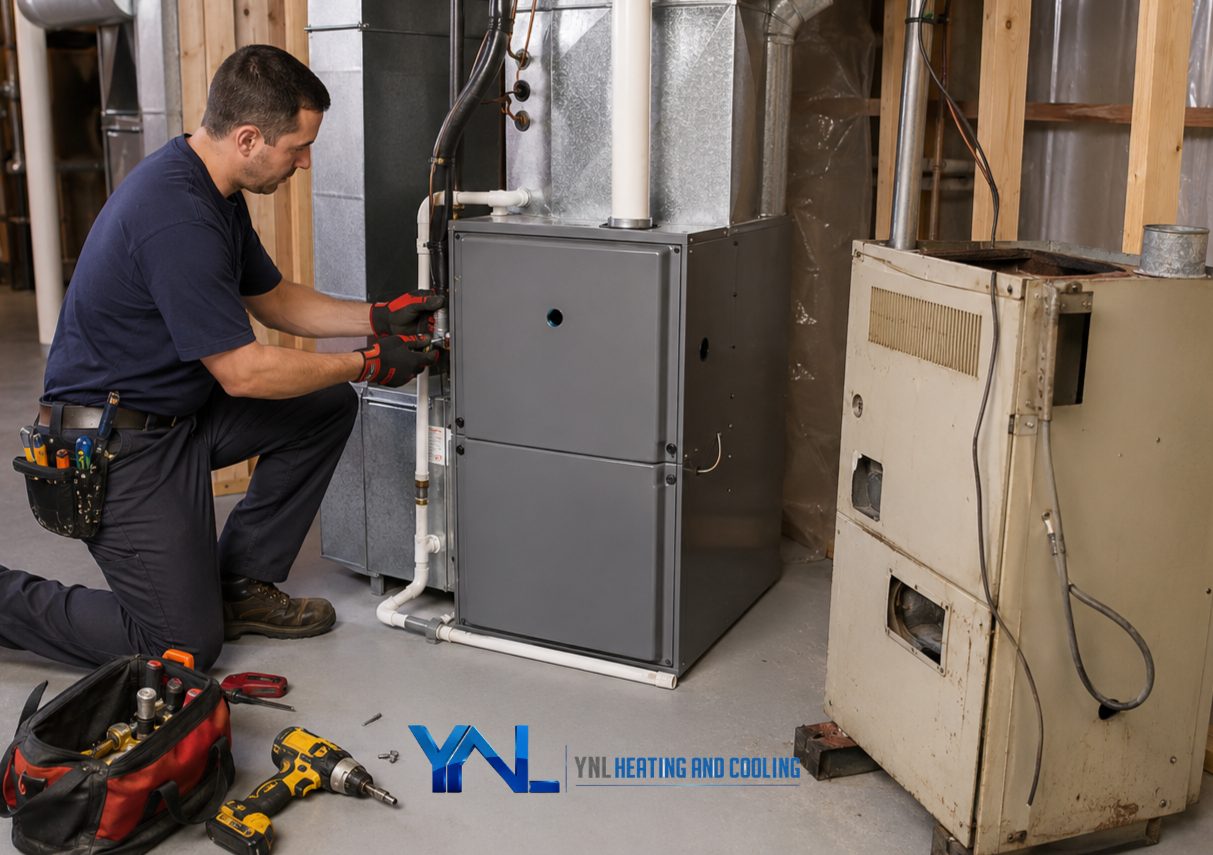
If you notice one or more warning signs, begin with simple homeowner-level checks. Replace a dirty air filter, make sure vents are open and unobstructed, and confirm that the thermostat is set correctly. These quick steps can sometimes improve performance and help you better describe the issue to a technician.
You should also listen and observe carefully. Note whether the problem happens only when the furnace starts, only at certain times of day, or only in specific rooms. This information can help a technician diagnose the system more efficiently and may reduce the time needed for service.
Then schedule a professional inspection
Even if the furnace is still producing heat, an evaluation is the smartest next step when warning signs appear. A professional can inspect combustion parts, test airflow, check safety controls, and identify hidden wear. That kind of assessment is especially useful before the season becomes busy and emergency calls increase.
If you want reliable help before a failure happens, YNL Heating And Cooling can evaluate the system and recommend the right solution for your home. Depending on the condition of the equipment, that may mean maintenance, repair, or a more strategic upgrade. For homes with cooling concerns as well, it may also be a good time to review cooling systems service so both sides of the HVAC system are ready for the year ahead.
Repair, Maintenance, or Replacement: How to Decide
When repair makes sense
Repair is often the best answer when the furnace is relatively young, the problem is isolated, and the system has been maintained regularly. Common examples include faulty ignition parts, dirty flame sensors, or a worn blower component. If the furnace has otherwise been dependable, a timely repair can restore comfort and extend its service life.
The key is not to delay once the issue is identified. A simple fix today can prevent a larger failure tomorrow. That is one reason many homeowners choose to address problems as soon as the warning signs appear rather than trying to “get through one more season.”
When replacement deserves a closer look
Replacement becomes more practical when the furnace is older, inefficient, or repeatedly breaking down. If repair costs are stacking up, a new system may offer better long-term value through improved efficiency and fewer future service calls. This is especially true when the current furnace struggles to heat the home evenly or keep up with demand.
If you are trying to weigh the options, it may help to read more about the benefits of upgrading an older system in this guide to older furnace efficiency. The right decision depends on age, repair history, and overall performance, not just on one isolated breakdown.
Preventive Habits That Help You Avoid Cold-Night Surprises
Schedule seasonal maintenance before peak demand
Preventive care is one of the easiest ways to protect your furnace from avoidable failures. A pre-season inspection can catch problems while they are still small, clean out buildup, and make sure key parts are operating correctly. For many homes, this kind of maintenance pays for itself by reducing emergency repair risk and improving efficiency.
Seasonal service also gives you time to plan. If a technician identifies a part that is nearing failure, you can address it before winter becomes severe. That kind of preparation creates peace of mind and helps your home stay comfortable when temperatures fall.
Pay attention to patterns, not just emergencies.
One of the biggest mistakes homeowners make is waiting for a system failure before calling for help. But furnaces usually give warning signs well before they stop working entirely. Strange sounds, uneven heating, higher bills, and short cycling are all clues that something is changing.
If you begin to notice these patterns, take them seriously. Small changes in operation can be the first sign of a bigger issue, and early action often makes the repair simpler and less costly. In homes where heating has been inconsistent for years, an evaluation from a trusted HVAC contractor can clarify the best path forward.
Frequently Asked Questions About Furnace Warning Signs
How often should a furnace be checked?
Most furnaces should be inspected at least once a year, ideally before the heating season begins. Annual service helps identify wear, clean critical parts, and confirm that safety controls are working. If your system is older or has had recent issues, more frequent attention may be a good idea.
Is it normal for a furnace to smell a little dusty?
A light dusty smell when turning on the furnace for the first time in the season can be normal. However, the odor should fade quickly. If the smell is strong, persistent, or resembles burning or gas, shut the system down and schedule service immediately.
Why does my furnace make noise only at startup?
Startup noises can point to ignition delays, loose components, or airflow problems. Even if the furnace settles down afterward, that sound should not be ignored. It may be an early warning sign of a part wearing out or a problem with proper combustion.
Can a dirty filter really cause major problems?
Yes. A clogged filter can restrict airflow, raise internal temperatures, and contribute to short cycling or shutdowns. It is one of the simplest maintenance items, but also one of the most important. Replacing it regularly can improve comfort and reduce strain on the system.
Stay Ahead of Furnace Problems Before Winter Arrives
The best time to address furnace issues is before the first cold night forces your system into heavy use. Uneven heating, unusual noises, rising bills, short cycling, and poor air quality are all signs that your furnace needs attention now, not later. Acting early helps protect comfort, safety, and energy efficiency while giving you more control over repair decisions.
If you have noticed any of these warning signs in your home, do not wait for a complete breakdown. Reach out to YNL Heating and Cooling for knowledgeable service, honest communication, and dependable solutions tailored to your system. Whether you need maintenance, repair, or guidance on your next step, our team is ready to help keep your home comfortable through the coldest days of the season. Call (847) 613-7397 or visit thetrustedhvac.com to get started today.