Why Replacing an Older Furnace Can Improve Home Efficiency
Have you noticed your home's comfort slipping a bit? Maybe some rooms feel colder than others, or your energy bills are creeping up. It might be time to consider replacing that old furnace with something new. Not only could it improve your heating, but it might also save energy and make your home more comfortable. If you're torn between repairing or replacing, this guide will help you see why a new furnace could be the best choice.
Before making any decisions, it's wise to have a professional check out your heating system. A trusted heating system evaluation can show whether your furnace is just old or if it's actually hindering your home's efficiency. Sometimes, a quick furnace repair can buy you some time, but older furnaces often use more energy than they should. The U.S. Department of Energy has some great resources on how furnace performance impacts long-term costs.
How an Older Furnace Loses Efficiency
Wear and Tear Reduce Performance Over Time
As time goes on, parts of your furnace like the heat exchanger, burners, and blower motor wear out. This means your furnace has to work harder and longer to keep your home warm. And that means more fuel, more wear, and less comfort.
Outdated Technology Uses More Energy
Older furnaces don’t have the energy-saving features that newer models do. New systems often come with advanced ignition systems and variable-speed blowers. Older ones might waste energy during startup and shutdown, so you end up paying for heat you don’t feel.
Duct Losses Become More Noticeable
If your old furnace isn't pushing air effectively, any issues with your ducts become more obvious. Weak blowers or uneven air movement can let conditioned air leak out before it reaches you. That's why combining furnace updates with preventative maintenance can be beneficial.
Signs It May Be Time to Replace Your Furnace
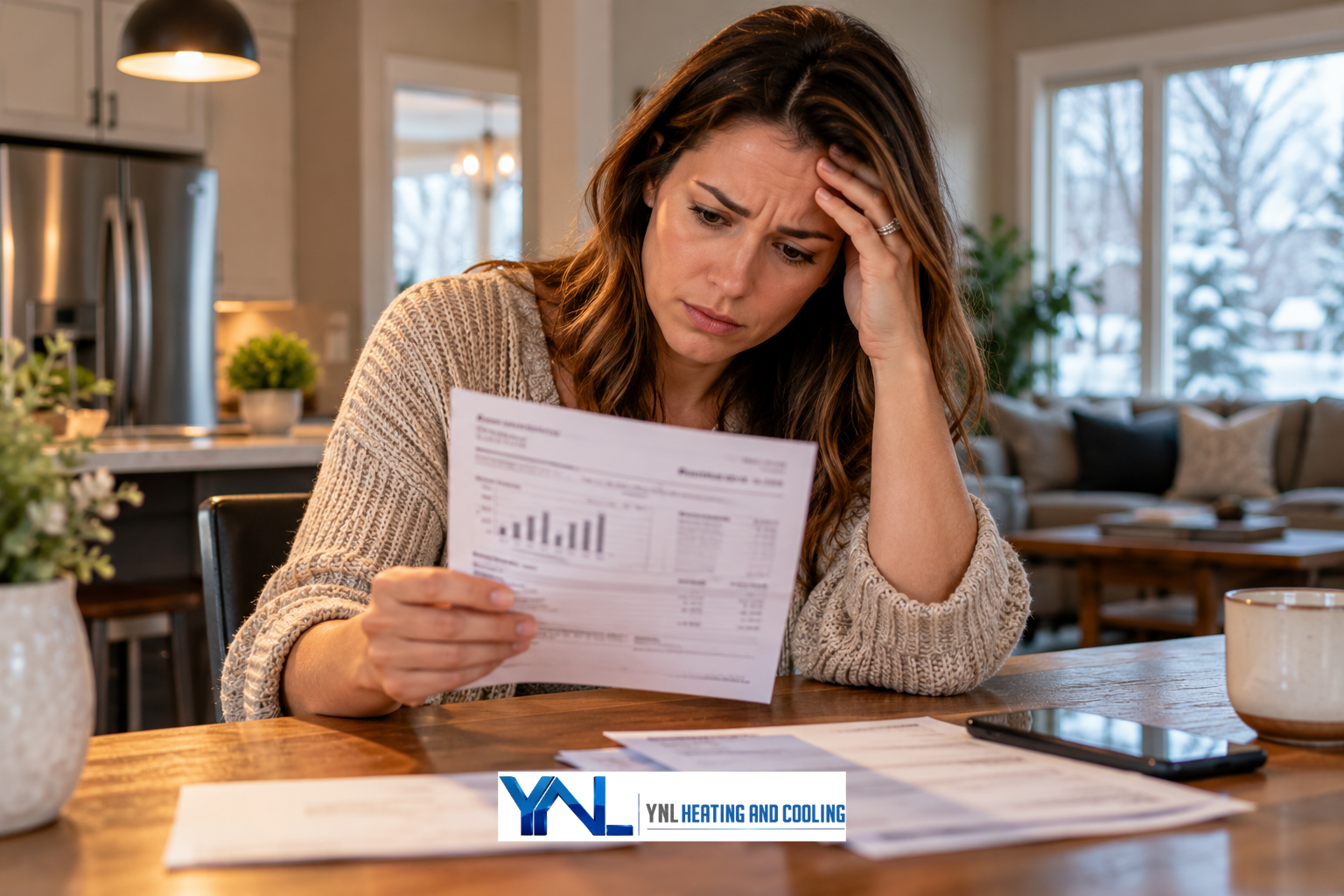
Higher Utility Bills Without a Change in Usage
If your heating bill is climbing and you haven't changed your habits, your furnace might be losing its touch. Older systems need more fuel and run longer, driving up costs. A new, high-efficiency furnace could help stabilize these expenses.
Uneven Heating and Frequent Cycling
Hot and cold spots are frustrating. If some rooms are warm and others are chilly, your furnace might be struggling. If it’s turning on and off more frequently than usual, it might not be working efficiently. These are signs that your system needs attention.
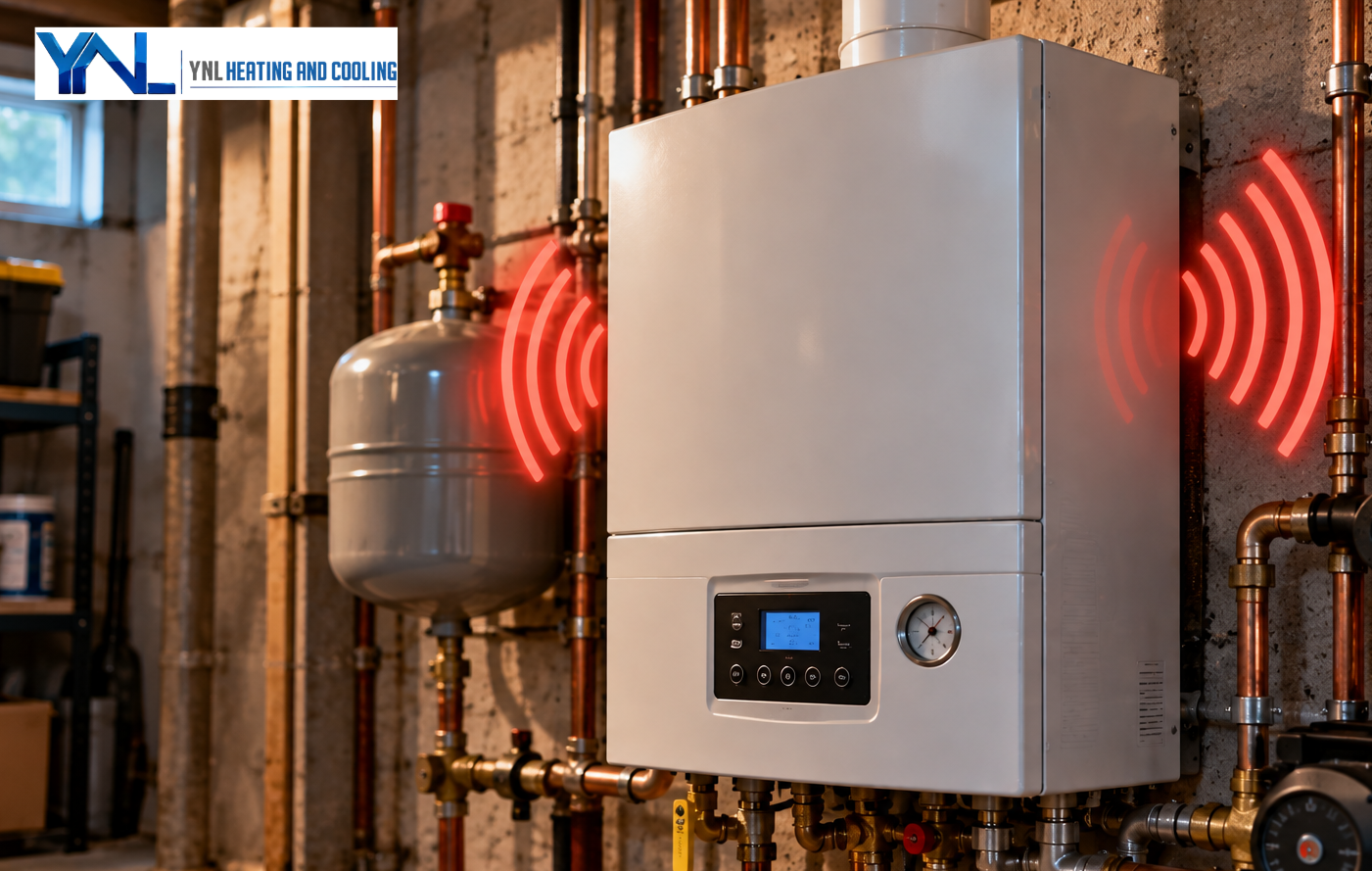
Noise, Odors, and Repeated Service Calls
Old furnaces tend to get noisy. If it’s banging, rattling, or making strange sounds, it’s likely on its last legs. Frequent repairs can be a sign that it’s time to consider a replacement, which often offers better value than constant repairs.
The Efficiency Benefits of Replacing an Older Furnace
Lower Energy Consumption
One of the biggest perks of a new furnace is using less energy. New models convert more fuel into heat, which means less waste. The improvement can be quite noticeable, especially if your old furnace wasn’t very efficient.
More Consistent Indoor Comfort
New furnaces don’t just save energy; they keep your home more comfortable. Modern technology helps maintain steady temperatures and better airflow. This can be a game-changer if you’re tired of some rooms being too hot or too cold.
Reduced Repair Frequency
Older units often require more repairs. By replacing it, you can reduce the number of unexpected breakdowns. This means fewer disruptions and fewer surprise expenses during the cold months.
Better Indoor Airflow and Filtration
A new furnace often works better with current filtration systems. This can lead to cleaner, fresher air in your home, especially if combined with good maintenance and balanced ductwork. While not an air purifier, a new furnace can play a big role in improving your indoor air quality. Many homeowners pair furnace upgrades with cooling system enhancements for a full comfort update.
Why Furnace Age Matters More Than Many Homeowners Realize
Efficiency Drops as the System Ages
Furnaces lose performance gradually, making it easy to overlook. A unit that’s 15 to 25 years old might still run, but it’s likely wasting energy. Age is a key factor when considering replacement.
Older Systems Often Lack Modern Safety Features
New furnaces have better diagnostics and safety controls, catching issues earlier. The National Fire Protection Association explains why older, poorly maintained systems shouldn’t be ignored. Safety features in modern models make a big difference.
Efficiency Standards Have Improved
Heating equipment now meets higher standards than older models. This doesn’t mean you need to replace your furnace immediately, but the difference in efficiency can be significant. Proper installation ensures you get the most out of a new system.
How Replacement Improves Comfort Beyond the Utility Bill
More Even Temperature Control
With a new furnace, your home can feel more balanced. Instead of fiddling with the thermostat, you get steady heat throughout the house. This is especially noticeable in homes with multiple floors or rooms far from the furnace.
Quieter Operation
Old furnaces can be noisy as they wear out. New models are designed for quiet operation, which can make a big difference if the furnace is near living areas or bedrooms.
Less Stress During Extreme Weather
When temperatures drop, a worn-out furnace can struggle the most. A new system is better equipped to handle extreme cold without overworking. Upgrading before a failure ensures reliability when you need it most.
What to Consider Before Replacing an Older Furnace
Correct Sizing Is Essential
Replacing a furnace isn’t just about getting something more efficient. The system must be the right size for your home to avoid issues like short cycling or uneven heating. If you’re curious about sizing, check out our guide on HVAC sizing.
Fuel Type and Efficiency Ratings
Compare fuel types, AFUE ratings, and system designs before deciding. A higher AFUE rating usually means less wasted fuel, but real-world performance also depends on the installation quality. The ENERGY STAR program emphasizes the importance of equipment selection and quality installation.
Home Condition and Insulation
A new furnace is part of the solution if your home loses heat easily. Insulation, weatherstripping, duct sealing, and thermostat strategy all affect how well a new furnace performs. You might also want to consider residential AC installation for balanced HVAC efficiency year-round.
Repair Versus Replace: How to Make the Right Choice
When Repair Still Makes Sense
Repairs can be the way to go if your furnace is fairly new and the issue is minor. Sometimes, fixing a sensor or blower can restore performance without needing a full upgrade. A technician can help you weigh the repair cost against the remaining life of the system.
When Replacement Is the Better Investment
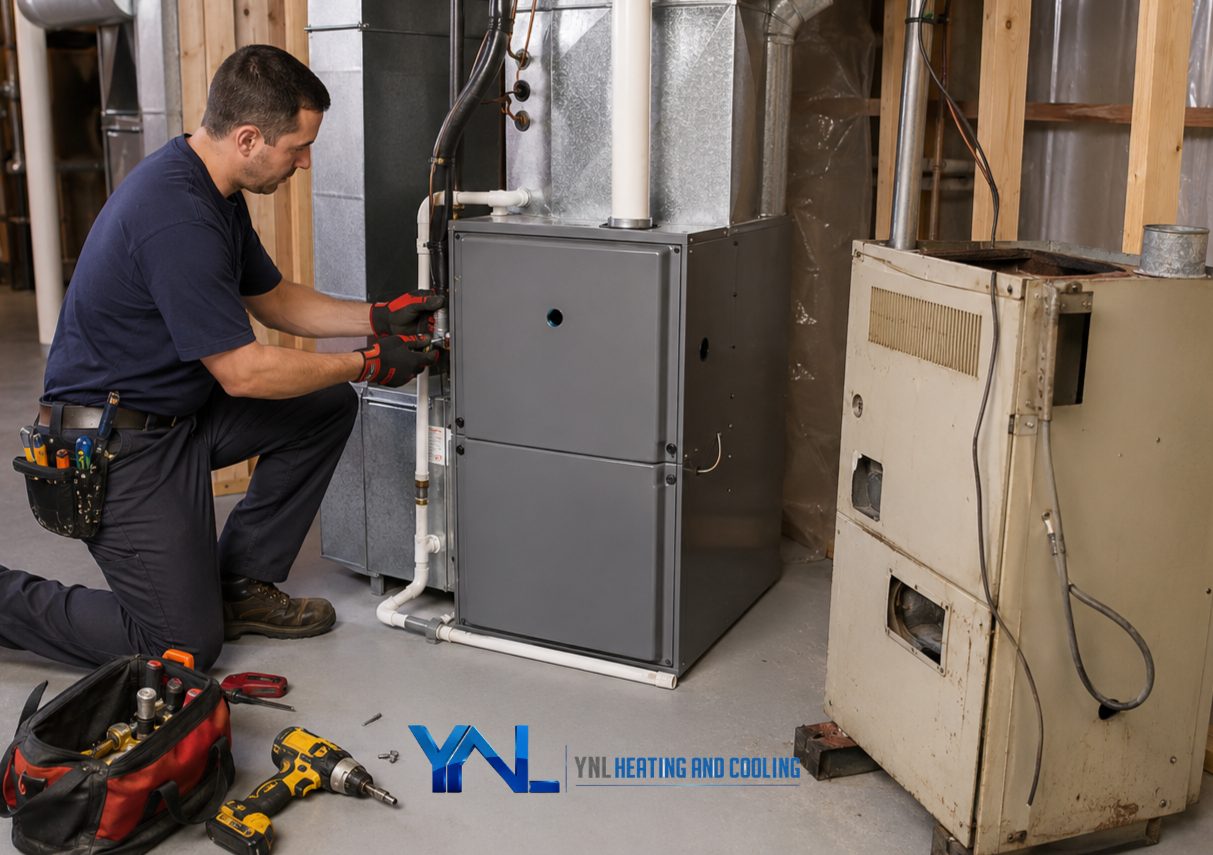
Consider replacing if your furnace is old, inefficient, and unreliable. If repair costs are piling up or it has frequent failures, a modern unit might save you more in the long run. New systems often reduce repair calls and lower energy bills.
How to Compare the Numbers
To decide, add the cost of repairs, expected fuel waste, and inconvenience, then compare it to the cost of a new installation and its savings. Often, the "cheaper" repair option isn’t cheaper over a few years. Expert boiler repair or furnace diagnostics can clarify whether continued service is worthwhile.
Maintenance After Replacement Still Matters
Protecting Your New Investment
After installing a new furnace, regular care keeps it running smoothly. Change filters, keep vents clear, and schedule inspections. Preventive maintenance avoids big problems and maintains the performance you expected from your upgrade.
Seasonal Tune-Ups Improve Longevity
Professional tune-ups catch issues before they affect comfort or efficiency. A technician can clean components, check safety controls, and ensure the system runs within expected ranges. The U.S. Environmental Protection Agency notes that maintenance is key to energy-efficient operation.
Pairing Heating Care With Cooling Planning
Your home’s comfort is best when heating and cooling systems are managed together. If one system is old and the other is newer, it can create inefficiencies. Many people coordinate furnace replacement with preventative maintenance or future cooling upgrades for a comprehensive strategy.
What Homeowners in Kildeer Should Ask Their HVAC Contractor
Questions About Efficiency and Payback
Ask how much efficiency improvement you can expect from a new furnace and what that means for your utility bills. Discuss the payback period based on your usage and home size. A reliable contractor should explain tradeoffs clearly.
Questions About Installation Quality
Installation quality matters. Ask how the system will be sized, vented, calibrated, and tested. Proper setup ensures the furnace meets its performance promises. Look for an experienced HVAC contractor in Kildeer for local support.
Questions About Future Flexibility
Inquire how the new furnace works with your thermostat, duct system, and future home upgrades. A well-planned replacement supports zoning, filtration, and maintenance. For more planning tips, check out our homeowner’s guide.
Frequently Asked Questions About Furnace Replacement
How long does a furnace usually last?
Most furnaces last about 15 to 20 years, depending on maintenance and usage. Efficiency often drops before they stop working completely, so age should be considered with comfort, repair frequency, and energy costs.
Will a new furnace really lower my bills?
Often, yes, especially if the old furnace is outdated or poorly maintained. Savings depend on the old unit’s efficiency, the new AFUE rating, and your home’s insulation and duct condition. Your contractor can help estimate potential improvements.
Is replacement worth it if the furnace still runs?
It can be. A furnace doesn’t have to be broken to justify replacement. If it’s costly to run or can’t keep your home comfortable, a new system might offer better value than repairs. Look at the total cost of ownership, not just immediate repair bills.
Conclusion: A New Furnace Can Deliver Real Long-Term Value
Replacing an older furnace can make your home more comfortable and reduce energy use. While the initial investment is important, the long-term savings and comfort improvements often make replacement a smart choice.
If your furnace is getting old, noisy, or expensive to maintain, it might be time to have it checked by a pro. YNL Heating And Cooling can help you understand your options. Whether you need repair, a new furnace, or a full system review, we can guide you to the right decision. For honest advice and professional support, call YNL Heating And Cooling at (847) 613-7397 or visit thetrustedhvac.com today.