Introduction
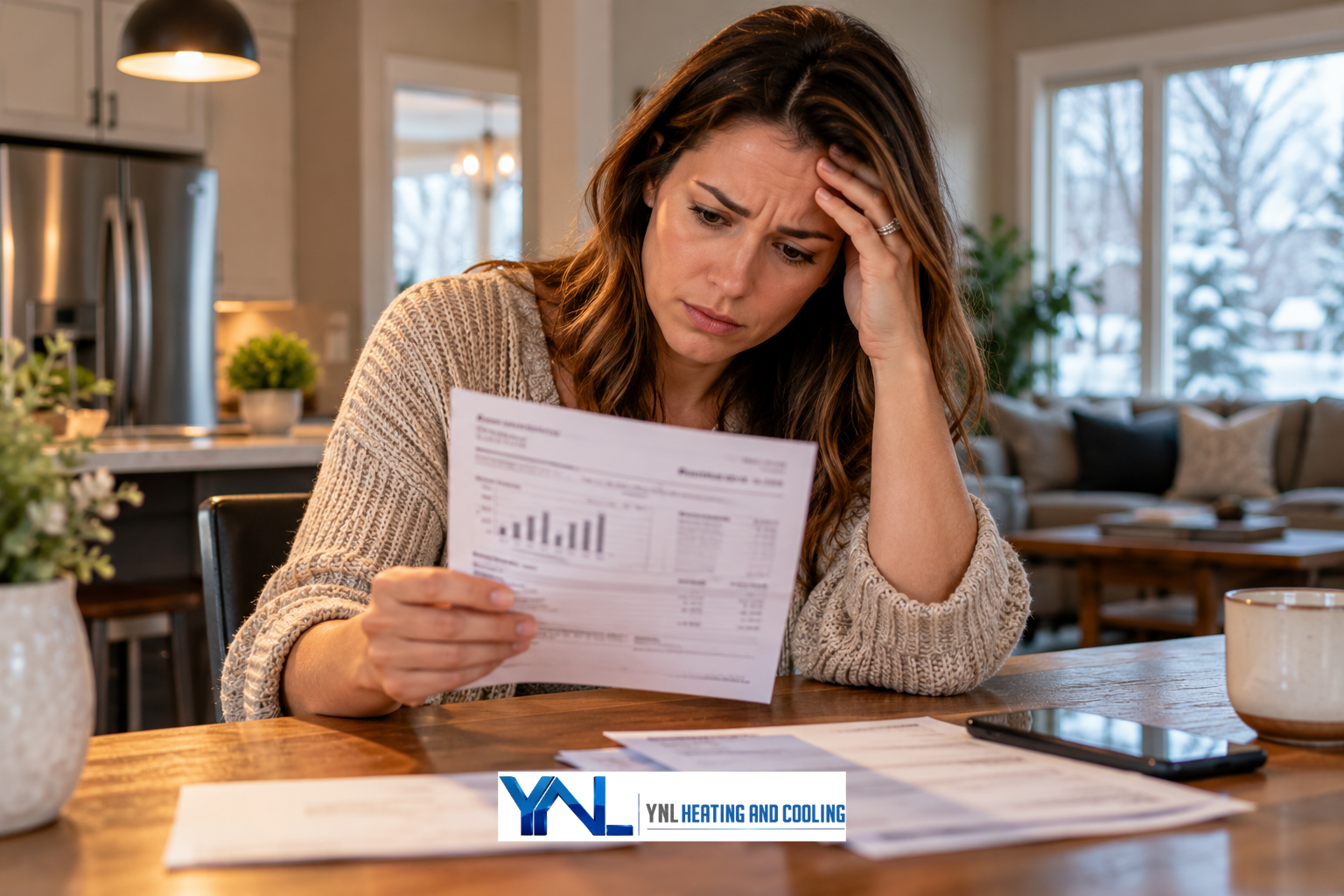
Furnaces don't usually just quit on you out of the blue. Instead, they give you hints over time like higher energy bills, uneven heating, weird noises, and more frequent repair calls. Knowing when to switch out your furnace instead of fixing it can save you money, make your home more comfortable, and help you avoid those emergency breakdowns when it's freezing outside.
So, what should you look out for? This guide covers the common warning signs, the real cost of keeping an old furnace going, and the key questions you should ask before deciding what to do. Need a hand figuring it all out? Our team at YNL Heating And Cooling can help with everything from heating system checks to furnace repair and replacement planning. For more on energy efficiency, check out the U.S. Department of Energy’s Energy Saver page.
1. Start with the Age of the Furnace
Why Lifespan Matters
Most furnaces last about 15 to 20 years, depending on their quality, installation, and maintenance. Even with regular care, older furnaces become less efficient and more prone to breaking down. If your furnace is nearing the end of its typical lifespan, you might want to think about replacing it even if it's still running.
Signs Age is Affecting Performance
Old furnaces often need more repairs, have trouble keeping the temperature steady, and might turn on and off unpredictably. You might notice some rooms never warm up enough, or that the system is working harder to give you the same comfort as before. When you see these changes happening together, age is probably a factor.
How Maintenance Changes the Picture
Regular maintenance can extend a furnace's life, but it won't stop wear and tear completely. Dust buildup, worn-out motors, ignition problems, and component fatigue add up over time. If your furnace has missed several tune-ups, it might be time to weigh the cost of repairing it against getting a new one. Our preventative maintenance program can help spot issues before they become costly surprises.
2. Pay Attention to Rising Repair Frequency
One Repair vs. Many Repairs
Every furnace needs a fix now and then, but frequent repair calls are a red flag. If you've had to repair the blower motor, replace an ignitor, and fix airflow issues in a short time, your system might be on its last legs. A good rule of thumb is to consider replacement when repairs start feeling routine instead of occasional.
The 50 Percent Rule
Many folks use this simple guideline: if a repair costs close to half the price of a new furnace, it might be smarter to get a new system. This rule isn't set in stone, but it helps you think practically. It's especially handy when your furnace is older, and repair costs are unpredictable. Replacing the unit lowers the chance of another costly breakdown soon after the latest fix.
Comparing Short-Term and Long-Term Value
It's tempting to go with the cheapest option right now, especially if the repair seems manageable. However, a furnace that keeps needing repairs can be more expensive in the long run than a replacement would have been upfront. The key is to think beyond the next bill and consider the next five to ten years.
3. Watch for Uneven Heating and Comfort Problems
Cold Spots in the Home
Uneven heat is a clear sign of furnace trouble. If upstairs is warm but the main floor is chilly, or if one side of the home never feels comfortable, your furnace might not be distributing air well. Sometimes it's the ductwork, but an aging furnace can also cause weak output and inconsistent temperatures.
Longer Run Times Without Better Comfort
When your furnace runs longer but doesn't improve comfort, it might be struggling to meet your home's needs. This issue often comes with more noise, frequent cycling, or constant thermostat adjustments. Homes that once warmed quickly but now take longer to stabilize often signal that the heating system isn't performing as it should.
Humidity and Air Quality Concerns
Heating affects more than just temperature. Poor furnace performance can impact indoor humidity, air movement, and overall comfort. If your home feels unusually dry, stale, or dusty, your furnace might not be circulating air properly. For more on indoor comfort, check out the EPA's Indoor Air Quality resources.
4. Look for Warning Signs in Noise, Smell, and Operation
Unusual Sounds
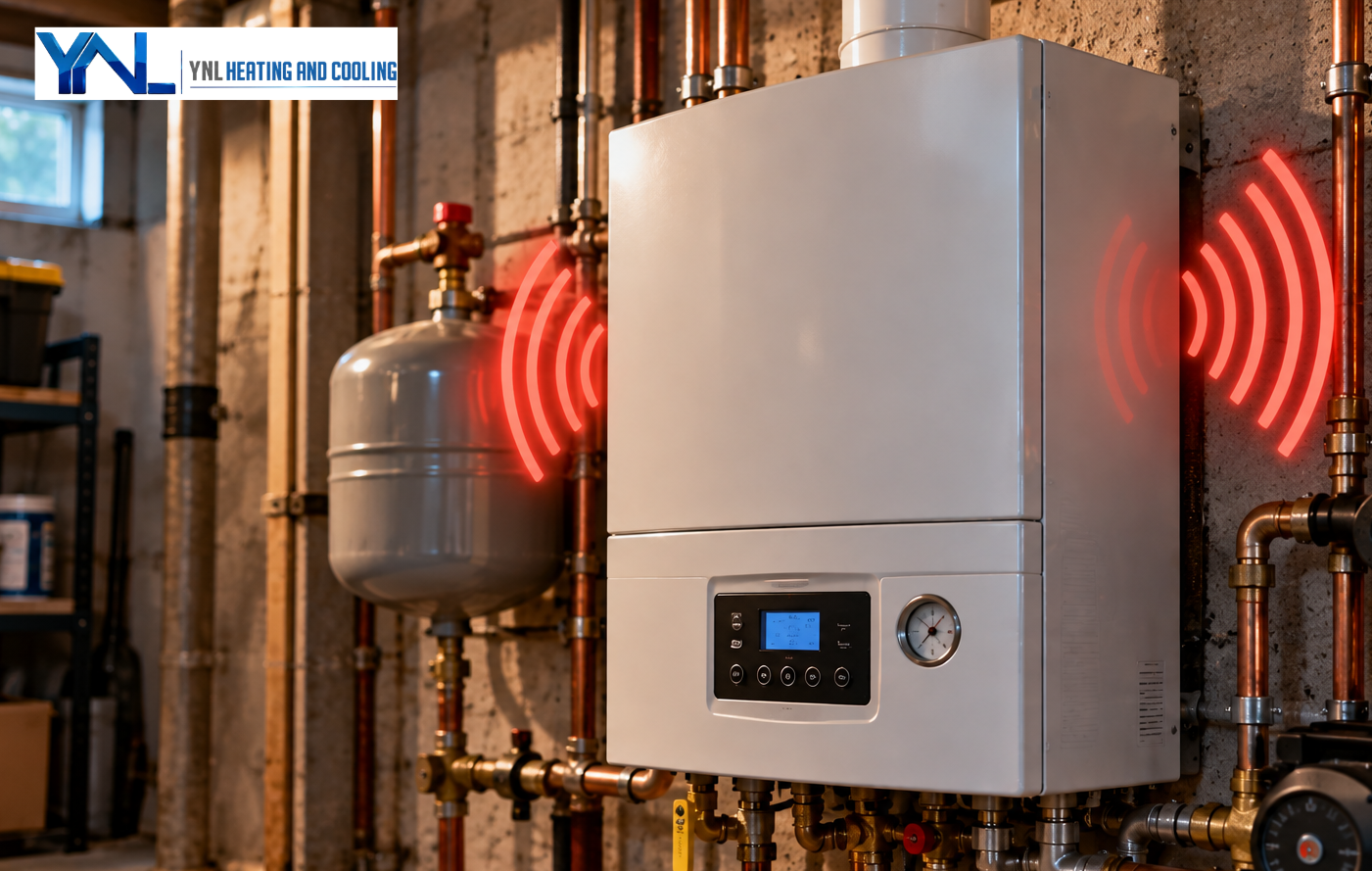
Every furnace makes some noise, but loud banging, grinding, rattling, or squealing aren't normal. These sounds can point to loose parts, failing bearings, ignition issues, or airflow problems. While some noises can be repaired, repeated or worsening sound issues often mean the furnace is wearing out in multiple areas at once.
Odd Smells
A brief burning smell when you first turn on the heat for the season can be normal, but persistent fuel odors, electrical smells, or musty odors shouldn't be ignored. Gas odors are especially important and require immediate attention. If your furnace produces repeated smells that return after servicing, replacement might be safer than continued patchwork repairs.
Frequent Cycling and Shutdowns
A furnace that constantly starts and stops might be short cycling, which wastes energy and strains internal components. Sometimes the thermostat, airflow, or limit switch is the root cause. In older systems, however, repeated shutdowns often reveal broader wear that can make replacement the better long-term solution.
5. Review Your Energy Bills and Efficiency
When Utility Costs Creep Upward
If your heating bills are rising even though your usage habits haven't changed much, your furnace might be losing efficiency. Older units generally use more fuel to produce the same amount of heat, and that inefficiency becomes more noticeable over time. A slow rise in bills can be easy to miss until you compare winter costs year over year.
Efficiency Ratings and Older Equipment
Modern furnaces are designed to be more efficient than older models, especially when replacing very old units with low annual fuel utilization efficiency ratings. That efficiency difference can mean big savings over the system's life. For those thinking about a broader comfort upgrade, our residential furnace installation service helps match equipment to your home's needs rather than just swapping in a similar model.
How to Estimate Savings
Compare annual fuel costs, repair costs, and expected remaining lifespan. If a furnace is old, unreliable, and expensive to run, the math might favor replacement even before a complete failure. A well-sized new system can improve comfort while reducing wasted energy, especially when paired with proper maintenance and thermostat settings.
6. Understand Safety and Reliability Risks
Cracked Heat Exchangers and Carbon Monoxide Concerns
One of the most serious reasons to replace a furnace is safety. A damaged heat exchanger can create a risk of carbon monoxide exposure, which is why annual inspections matter. Carbon monoxide is colorless and odorless, so don't rely on smell alone to judge safety. The Centers for Disease Control and Prevention explains the risks in CDC Carbon Monoxide Information.
Electrical and Ignition Problems
Older furnaces may develop ignition issues, worn wiring, or control board failures. These problems can sometimes be fixed, but recurring electrical trouble often suggests broader system deterioration. When a furnace becomes unreliable enough that you worry whether it'll start on the coldest morning of the year, replacement can restore confidence and reduce emergency stress.
Protecting the Rest of the HVAC System
A failing furnace can also strain connected HVAC components. Poor airflow and repeated cycling may affect ductwork, thermostats, and indoor comfort equipment. If your home system needs broader attention, we also offer cooling system service so you can think strategically about whole-home comfort instead of fixing one problem at a time.
7. Decide Whether to Repair or Replace
Ask the Right Questions
Before choosing repair or replacement, ask how old the furnace is, how often it has broken down, and whether this latest issue is isolated or part of a bigger pattern. It also helps to ask whether parts are still readily available and whether the repair would meaningfully improve the system’s remaining life. If the answer to most of those questions is uncertain, replacement often becomes the more practical choice.
Consider the Home’s Future Plans
Your timeline matters. If you plan to stay in the home for many years, a replacement may offer long-term comfort, lower operating costs, and fewer disruptions. If you expect to move soon, a smaller repair may make sense, but only if the furnace is safe and reliable enough to support the home during the sale period.
Get a Professional Assessment
It is difficult to judge furnace condition from one symptom alone. A professional inspection can identify whether the issue is limited to a single component or tied to a larger system problem. Our team can evaluate your current equipment, explain your options clearly, and recommend the most sensible next step. If needed, we can also discuss boiler repair or related heating solutions for homes with different system types.
8. What Replacement Does for Comfort and Peace of Mind
More Consistent Temperatures
A new furnace can solve many comfort issues at once, especially when the old system was undersized, aging, or running inefficiently. Homeowners often notice more even temperatures, quieter operation, and faster recovery after the thermostat adjusts. That improvement is especially valuable during severe cold when older systems tend to struggle the most.
Better Control and Fewer Surprises
Modern equipment usually offers better reliability and improved control, which means fewer emergency calls and less guesswork. A properly selected unit can also work more smoothly with your home’s ducts and airflow needs. If you have been searching for a dependable furnace solution in Kildeer, we can help you plan a system that fits your home and comfort goals without overselling what you do not need.
Why Installation Quality Matters
Even the best furnace will underperform if it is installed poorly. Proper sizing, airflow setup, venting, and calibration all affect long-term performance. That is why homeowners should focus not only on equipment brand or efficiency rating, but on the quality of the installation itself. A skilled HVAC contractor helps ensure the furnace delivers the comfort and lifespan you are paying for.
9. Practical Replacement Checklist for Homeowners
Evaluate the Main Warning Signs
Use a simple checklist: age over 15 years, rising repair bills, uneven heating, strange noises, unusual smells, and increasing utility costs. If several of these symptoms are happening together, replacement should be on the table. One issue alone may not justify a new furnace, but multiple warning signs usually point in the same direction.
Document Repairs and Costs
Keep a record of every service call, replacement part, and major repair. That history helps you see whether the system is becoming a financial drain. It also gives your HVAC professional a clearer picture of whether replacement makes more sense than another repair. If you are trying to plan, pairing your heating decisions with scheduled maintenance can help you avoid rushed decisions during peak season.
Choose Timing Strategically
Many homeowners wait until a furnace fails before replacing it, but that can create stressful timing and limited options. Planning replacement before a true emergency allows for better scheduling, more comparison, and less disruption to the household. In many cases, that proactive approach also gives you more control over budget and installation timing.
10. FAQs About Furnace Replacement
How Do I Know if a Repair is Enough?
If the furnace is relatively young, has been reliable, and the problem appears isolated, a repair may be the right choice. If the unit is older, has had repeated breakdowns, or the current issue is expensive, replacement may be smarter. The best decision comes from looking at the full pattern instead of one symptom.
Should I Replace My Furnace Before It Stops Working?
Yes, in many cases, that is the safer and more cost-effective option. Planned replacement gives you time to compare models, review installation details, and avoid emergency downtime during cold weather. Waiting for a total failure usually limits your choices and raises the stress level.
Can a New Furnace Lower My Energy Bills?
It often can, especially if your current furnace is old and inefficient. Savings depend on the size of the home, insulation, ductwork condition, and how the system is used. A properly selected furnace can reduce waste and help keep heating costs more manageable over time.
Conclusion
Knowing when to replace your furnace comes down to a combination of age, repair frequency, comfort problems, energy use, and safety concerns. If your system is making unusual noises, struggling to heat your home evenly, or costing more to keep alive than it should, replacement may be the most practical and dependable choice. A new furnace can bring better comfort, fewer repairs, and more confidence when the weather turns cold.
If you are not sure whether your current system needs another repair or a full replacement, YNL Heating And Cooling is ready to help with honest advice and clear next steps. Contact us to schedule an evaluation, ask questions about your options, or explore a new heating plan that fits your home. The right furnace decision today can prevent bigger problems tomorrow and help keep your home comfortable all winter long.