Smart HVAC Upgrades That Save Money Over Time
Thinking about upgrading your HVAC system? It's a practical move to cut monthly utility bills, enhance comfort, and avoid those unexpected repair costs. Many folks wait until their system completely fails before considering a replacement, but making a proactive upgrade can often give you better long-term value. If you're in the market for new heating systems or cooling systems, it’s helpful to know where the real savings come from and how to maximize them.
Modern heating and cooling equipment does more than just move air around. Today’s systems run more efficiently, maintain consistent temperatures, reduce noise, and can integrate with smart controls to help you use less energy without losing comfort. The U.S. Department of Energy notes that HVAC equipment is one of the biggest energy users in your home, so even small efficiency improvements can have a big financial impact over time. For a broader look at how newer technology improves comfort, check out our complete guide to modern HVAC technology and home comfort in Kildeer, IL.
In this article, we’ll break down the money-saving benefits of an HVAC upgrade, explain the latest efficiency trends, and help you decide whether repair or replacement makes the most sense. We’ll also look at real-world examples, maintenance tips, and the key features to evaluate before you invest.
Why HVAC Upgrades Save Money Over Time
Lower Monthly Energy Bills
The most immediate benefit of a new HVAC system is the reduction in energy use. Older systems often struggle to maintain set temperatures efficiently, meaning they run longer and cycle more often. A newer high-efficiency unit can cut waste by using advanced motors, better refrigerant technology, and controls that match output to demand more precisely. Research from the U.S. Energy Information Administration shows that heating and cooling can account for a large chunk of home energy use, so even a small reduction can add up quickly.
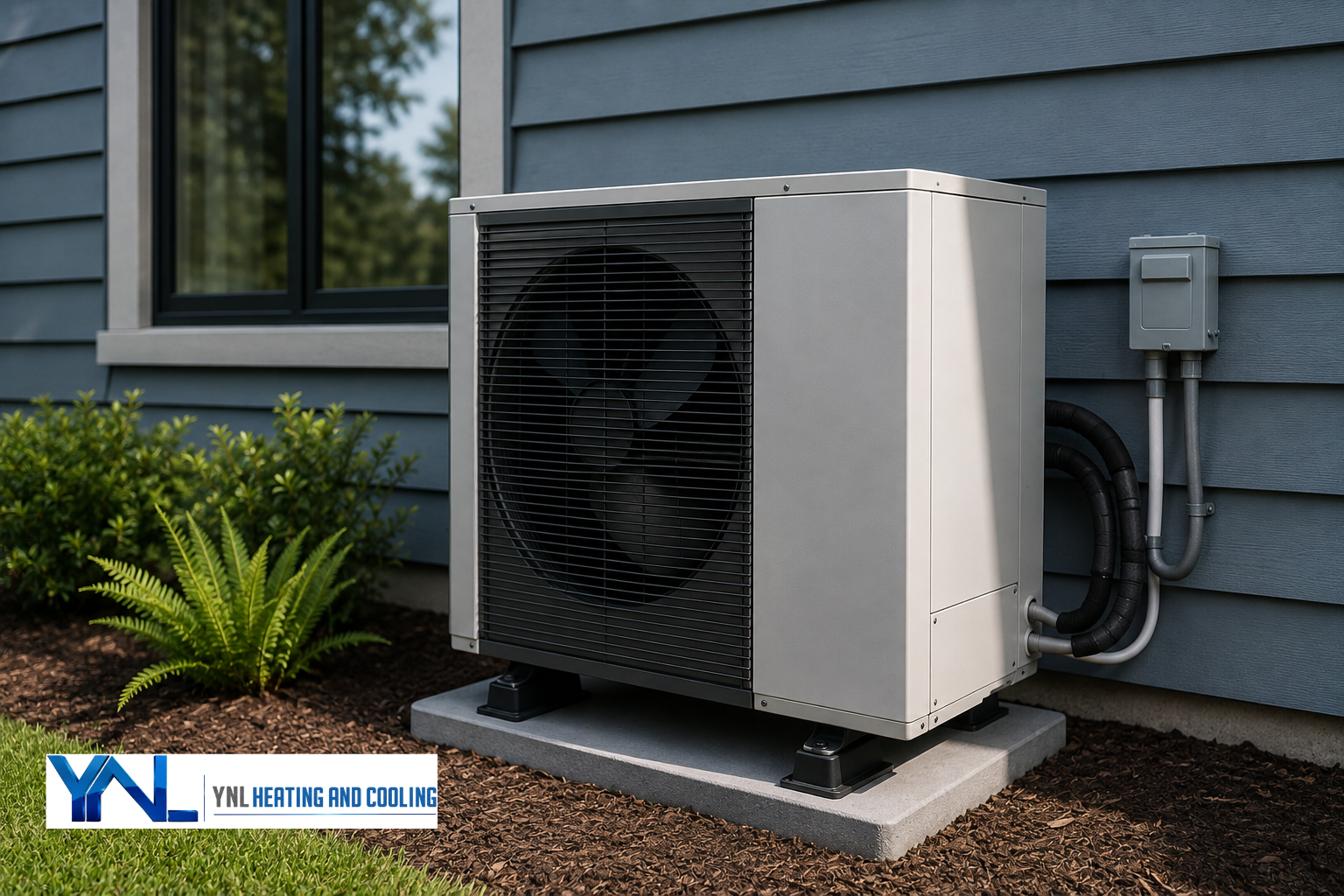
You'll likely notice savings in both summer and winter. A system with a higher SEER2 rating can cool your home using less electricity, while a high-efficiency furnace with a solid AFUE rating can reduce fuel consumption in the colder months. Upgrading from an old 8 SEER unit to a 16 SEER2 model can create substantial annual savings, especially in homes with high cooling demand.
Fewer Repair Calls and Emergency Expenses
Older HVAC systems tend to break down more often because their components wear out over time. Fan motors, compressors, igniters, capacitors, and control boards all become more likely to fail as the system ages. Once repair bills start stacking up, many homeowners realize they’re spending money to keep an inefficient unit running when replacement would be a smarter long-term decision.
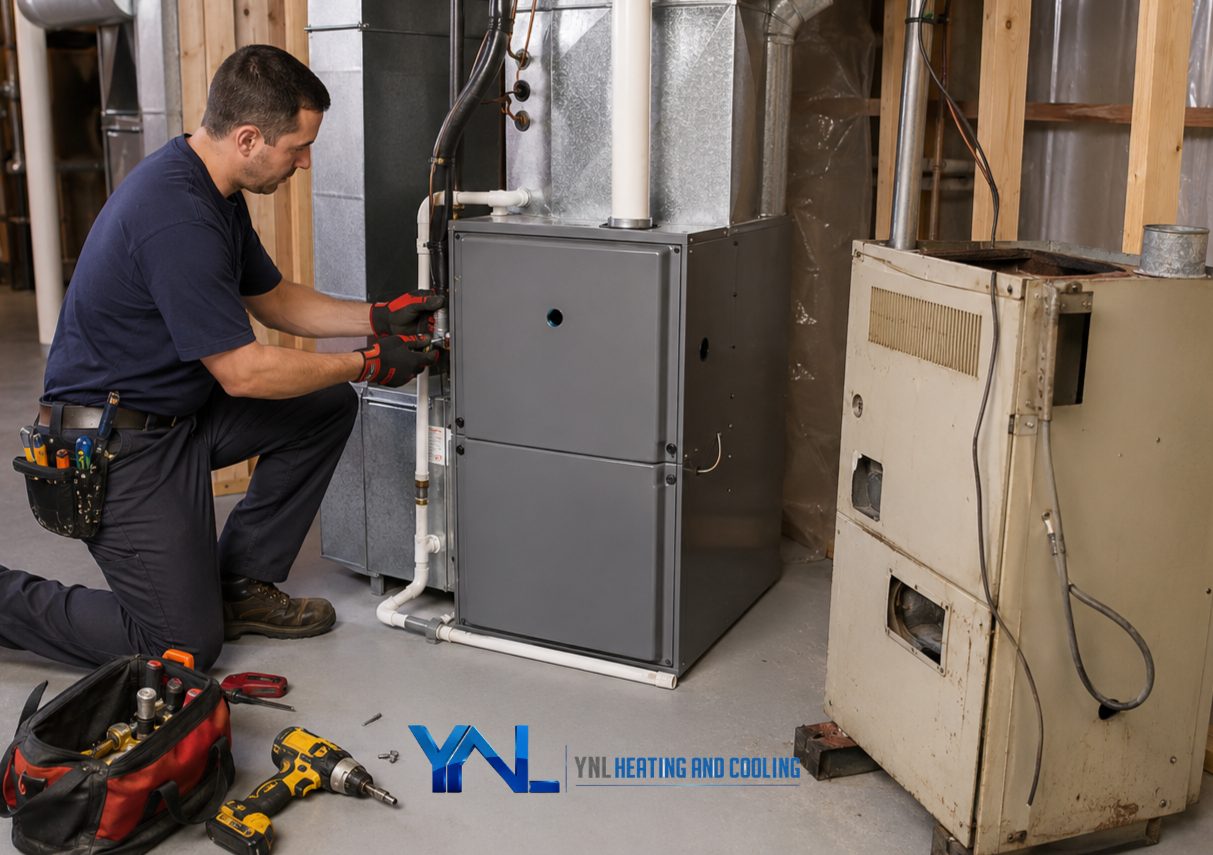
If you’re experiencing repeated breakdowns, uneven temperatures, or rising repair invoices, a professional evaluation can help you decide whether service or replacement is the better investment. In many cases, a reliable residential furnace repair or residential AC repair can extend the life of a system, but when the same issues keep returning, the cost of staying with old equipment may exceed the value of upgrading.
Improved Home Value and Resale Appeal
A newer HVAC system can also boost your home’s market value. Buyers often look for properties with modern, efficient mechanical systems because they know these upgrades reduce ownership costs and lower the risk of immediate repairs. In many markets, a recently installed heating or cooling system can make a home more competitive, especially if documentation shows the unit was properly sized, professionally installed, and well maintained.
Real estate pros often point out that buyers view HVAC replacements as a major benefit because they’re costly and hard to postpone once a system is failing. While a new system may not return every dollar immediately, it can improve buyer confidence and shorten the time a home spends on the market.
Understanding Today’s Energy Efficiency Ratings
SEER2, AFUE, and HSPF2 Explained
One of the best ways to compare HVAC options is by looking at efficiency ratings. SEER2 measures cooling efficiency, AFUE measures furnace efficiency, and HSPF2 measures heat pump heating performance. These ratings help you understand how much energy the equipment uses to deliver comfort. The higher the rating, the less energy the system typically needs to do the same job.
The U.S. Department of Energy provides guidance on these standards, and the Air-Conditioning, Heating, and Refrigeration Institute (AHRI) also offers useful information on certified ratings and equipment performance. Knowing these basics can help you avoid choosing a system that looks similar on paper but costs much more to operate in real life. For reference, you can review federal energy efficiency guidance at Energy Saver from the U.S. Department of Energy.
Why Higher Ratings Aren’t the Only Factor
Although efficiency ratings matter, they are only part of the equation. A highly rated unit won’t perform well if the ductwork is leaking, the home is poorly insulated, or the system is incorrectly sized. That’s why a full evaluation should include airflow testing, duct inspection, and a review of your insulation levels. Without these steps, even a premium unit can underperform and fail to deliver the savings you expected.
This is why many homeowners benefit from pairing a replacement with residential furnace and AC preventative maintenance. Maintenance helps keep the system running near its intended efficiency, while inspections can identify hidden issues that might reduce performance. In some cases, improving duct sealing or insulation first can reduce the size of the equipment needed later, which can lower the upfront replacement cost.
Smart Technology That Reduces Waste
Thermostats That Learn Your Habits
Smart thermostats are a popular HVAC upgrade because they can lower energy use without requiring constant manual adjustment. These devices learn your schedule, adjust temperatures automatically, and provide detailed reports that show when and where energy is being used. If your home is empty during the day or you sleep with different temperature preferences, a smart thermostat can help you avoid conditioning empty spaces unnecessarily.
Many homeowners are surprised by how much value comes from simple automation. Setting back the temperature when you’re away, avoiding overcooling, and receiving maintenance alerts can all reduce unnecessary strain on the equipment. Smart controls are especially effective when combined with a properly sized system and a good maintenance routine.
Zoning and Advanced Controls
Zoning systems divide the home into separate comfort areas so you don’t have to heat or cool every room equally. This approach is useful for multi-story homes, homes with large windows, and households with different comfort preferences. By directing airflow where it’s needed most, zoning can lower operating costs and improve comfort consistency.
For homeowners considering a replacement, combining zoning with a professional residential AC installation or residential furnace installation can create a more tailored system. Advanced controls may also integrate with home automation platforms, making it easier to manage temperatures remotely and fine-tune settings from a phone or tablet.
Energy Monitoring and Usage Insights
Many newer HVAC platforms offer energy dashboards that track runtime and system behavior. These insights can help you spot inefficiencies before they become major costs. For example, if your system runs longer than expected or cycles too frequently, it may indicate issues with airflow, refrigerant charge, thermostat settings, or duct leakage. The ability to monitor performance in real time makes it easier to catch problems early and avoid wasted energy.
When combined with good service practices, smart technology creates a strong financial advantage. It gives homeowners more control while also helping technicians identify issues faster during routine visits or diagnostics.
When It Makes Sense to Replace Instead of Repair
Age of the System
A common rule of thumb is to consider replacement once an HVAC system is around 15 years old, especially if it has needed multiple repairs. Older units may still run, but they usually operate less efficiently and are more likely to suffer major component failures. In many cases, the money spent on repeated service would be better invested in a newer system that will lower energy bills and reduce downtime.
Industry experts often recommend looking at long-term ownership costs rather than just the next repair bill. If your system is aging and you are planning to stay in your home for several more years, replacement can be the more cost-effective choice. For a home with frequent temperature swings or uneven comfort, the long-term benefit is often even clearer.
Repair Frequency and Total Cost
If your HVAC contractor is visiting more than once or twice a year, it is worth comparing repair costs against replacement savings. A single repair may be reasonable, but repeated failures can signal that the system is reaching the end of its useful life. At some point, the combination of service fees, lost efficiency, and inconvenience outweighs the cost of a new unit.
For homeowners struggling with ongoing furnace problems, a trusted residential boiler repair or furnace assessment can help determine whether the system still has dependable life left. If the heat exchanger, blower assembly, or other major parts are failing, a replacement may provide a better return than a series of short-term fixes.
Comfort and Reliability Concerns
Money savings are important, but comfort matters too. If certain rooms are always too hot or too cold, if humidity levels are hard to control, or if the system struggles during peak weather, the equipment may be undersized, outdated, or simply worn out. New systems are often better at maintaining stable indoor temperatures and controlling humidity, which can also reduce the need for extra fans, portable heaters, or dehumidifiers.
If your current equipment can no longer keep up, preventative maintenance may buy some time, but it may not solve structural problems or aging component issues. A thorough system evaluation can help you decide whether a repair plan or full replacement is the wiser investment.
Real-World Savings and Case Study Insights
Efficiency Gains from Modern Equipment
Research and industry reports consistently show that newer HVAC systems can generate meaningful savings. Upgrading from an older 8 SEER system to a 16 SEER2 unit can produce a major efficiency improvement, with estimated annual savings that may range from hundreds to more than a thousand dollars depending on usage and climate. These savings are most noticeable in homes that run their cooling system heavily during long summers.
National statistics also support the value of upgrading. Heating and cooling often account for roughly 40 to 50 percent of household energy consumption, so efficiency improvements have an outsized impact on the utility bill. Even if your exact savings vary, the potential is significant enough to make replacement a strong financial decision for many homeowners.
Commercial and Large-Facility Examples
Large facilities show how powerful HVAC upgrades can be when system performance is improved at scale. At Scott Air Force Base in Illinois, a broad HVAC and electrical upgrade in a 192,000-square-foot office facility improved comfort and energy performance. At Laughlin Memorial Hospital, an HVAC modernization project reportedly produced substantial first-year savings and contributed to an ENERGY STAR® rating above 90. These examples demonstrate that the financial payoff is not limited to homes; well-designed upgrades can reshape operating costs across property types.
Although most homeowners will not manage a facility of that size, the same principles apply. When equipment is efficient, properly installed, and supported by good building practices, costs go down, and comfort goes up. That is why a professional consultation before replacement is so important.
How Local Climate Affects Your Payback
In climates with cold winters and warm summers, payback can be especially attractive because the system works hard in both heating and cooling seasons. Homes in this region often see large swings in demand, which means newer equipment can save money on both fuel and electricity. When a home has older ductwork, inconsistent insulation, or a dated thermostat, the efficiency gap becomes even more noticeable.
That is one reason homeowners seeking an HVAC contractor in Kildeer, IL often focus on whole-home solutions rather than equipment alone. A replacement paired with duct sealing, thermostat upgrades, and proper maintenance can create savings that are much more dependable over time.
What to Evaluate Before You Upgrade
Ductwork and Insulation
Before installing a new system, inspect ductwork and insulation carefully. Leaky ducts can waste conditioned air, which means your new unit will have to work harder than necessary. Poor insulation can also force the system to run longer, reducing the value of your investment. Addressing these issues first may improve performance enough that you can choose a smaller or less expensive unit.
A good contractor should assess airflow, static pressure, and room-by-room comfort, not just the equipment itself. This helps ensure the system is matched to the structure and not just to the square footage on paper. It also helps prevent short cycling, uneven temperatures, and premature wear.
System Sizing and Installation Quality
Proper sizing is critical. An oversized system may cool or heat too quickly without removing enough humidity, while an undersized system may never fully meet demand. In either case, you lose efficiency and comfort. A professional load calculation is the best way to match the equipment to your home’s actual needs.
Installation quality matters just as much as equipment selection. Refrigerant charge, airflow setup, duct connections, and thermostat calibration all influence long-term performance. Even the most advanced system can disappoint if it is installed carelessly or rushed.
Maintenance Expectations
Once your new system is in place, regular service helps protect your investment. Seasonal tune-ups can catch small issues before they become major repairs, and they can keep the equipment running closer to its design efficiency. Filters, coils, drainage, electrical connections, and moving parts all need attention on a regular schedule.
If you want your new equipment to deliver the savings it promised, schedule ongoing furnace and AC maintenance. This is especially important for homeowners who rely on their system heavily during peak seasons or who want to preserve warranty coverage.
How to Maximize Your Return on Investment
Start with a Full-Home Strategy
The biggest savings usually come when the HVAC upgrade is part of a broader home efficiency plan. That may include air sealing, insulation improvements, duct repairs, and thermostat optimization. By reducing the load on the system, you lower operating costs and improve comfort in every room. The result is not just a better machine, but a better-performing home overall.
Homeowners sometimes focus only on the equipment because it is the most visible part of the project. However, the hidden parts of the system often have just as much influence on long-term savings. A careful assessment can uncover easy improvements that make the upgrade more profitable.
Use Incentives and Financing Wisely
Depending on the equipment and your location, rebates, manufacturer promotions, and energy incentives may help reduce upfront costs. These programs can significantly improve the payback period, especially for higher-efficiency systems. It is worth asking your contractor about available options before you commit.
Financing can also make sense if the monthly payment is offset by lower utility bills and fewer repairs. The key is to compare total ownership cost, not just the sticker price. A cheaper unit that costs more to run often ends up being more expensive over time.
Choose a Contractor Who Explains the Numbers
The right contractor should be able to explain expected energy savings, payback timing, warranty coverage, and maintenance requirements in simple language. Ask for a breakdown of estimated operating costs and how those estimates were calculated. The more transparent the process, the easier it is to make a confident decision.
If you are comparing options for a new system or replacement, YNL Heating And Cooling can help evaluate your home, identify efficiency opportunities, and recommend a solution that fits your comfort goals. That kind of guidance is especially valuable when you want both immediate comfort and long-term savings.
Frequently Asked Questions About HVAC Upgrades
How Long Does It Take to Recoup the Investment?
Payback varies based on fuel type, climate, system size, and current equipment condition. In some cases, homeowners recover costs in under ten years through lower bills and fewer repairs. For high-use homes, the payback can be faster, especially when the new system replaces a very old and inefficient unit.
A helpful starting point is to estimate your annual savings and compare them to the total project cost. If you are upgrading from an older furnace, it may be worth reviewing AFUE differences and projected fuel savings with your contractor. Federal energy resources and independent industry sources can provide a useful benchmark for these calculations.
Will a New System Really Increase Comfort?
Yes, especially if comfort problems were caused by uneven airflow, poor sizing, or outdated controls. New systems tend to hold temperatures more steadily, reduce drafts, and manage humidity better. Many homeowners notice the difference right away, particularly in rooms that used to be too hot or too cold.
However, comfort improvements are greatest when the entire system is evaluated. If the ductwork is compromised or the home has major insulation gaps, those problems should be corrected along with the upgrade.
What If My Current System Is Still Running?
If your system is still functioning, that does not necessarily mean it is the most economical choice. A system can run while still costing too much to operate or repair. If you are facing rising bills, repeated breakdowns, or inconsistent comfort, it may be time to compare replacement options seriously.
A professional inspection can help you decide whether a targeted repair, replacement of a failing component, or full system upgrade is the best path forward. In many cases, the smartest financial decision is the one that lowers both short-term stress and long-term operating costs.
Conclusion: Turn Comfort Into Long-Term Savings
Upgrading your HVAC system is not just about buying new equipment. It is about creating a more efficient, comfortable, and predictable home environment while reducing the hidden costs that come with aging systems. Higher efficiency ratings, smart controls, better sizing, and proper installation all work together to lower energy use and improve daily comfort.
If you are tired of high bills, repeated repairs, or uneven temperatures, now is a good time to explore your options. A professional assessment can show you where the biggest savings are likely to come from and whether repair or replacement makes the most sense. For homeowners ready to improve performance, our residential AC installation and heating systems services can help create a more reliable and efficient setup for years to come.
To learn more, explore our related article on why regular HVAC inspections in Kildeer, IL are a smart move, then contact YNL Heating And Cooling to discuss the best upgrade strategy for your property. Whether you need repair, replacement, or a complete efficiency review, the right plan today can save you money every season for years to come.
Ready to reduce utility costs and improve comfort? Reach out to YNL Heating and Cooling at (847) 613-7397 or visit thetrustedhvac.com to schedule your consultation.