Complete Homeowner’s Guide to Heat Pumps in Kildeer, IL
Heat pumps are a great choice for homeowners looking for efficient heating and cooling in one system. If you're curious about how they work, whether they're right for your home, or what kind of upkeep they need, this guide will cover the basics. As a local HVAC contractor, YNL Heating And Cooling helps folks make smart decisions to boost comfort, cut down on wasted energy, and keep things running smoothly.
In simple terms, a heat pump moves heat instead of creating it. Unlike a furnace or traditional air conditioner, it provides year-round solutions. According to the U.S. Department of Energy, heat pumps efficiently heat and cool by transferring heat rather than generating it, which is why they're becoming popular in modern homes. You can check out more details from the U.S. Department of Energy on how these systems work.
What a Heat Pump Does and How It Works
Heat transfer instead of heat creation
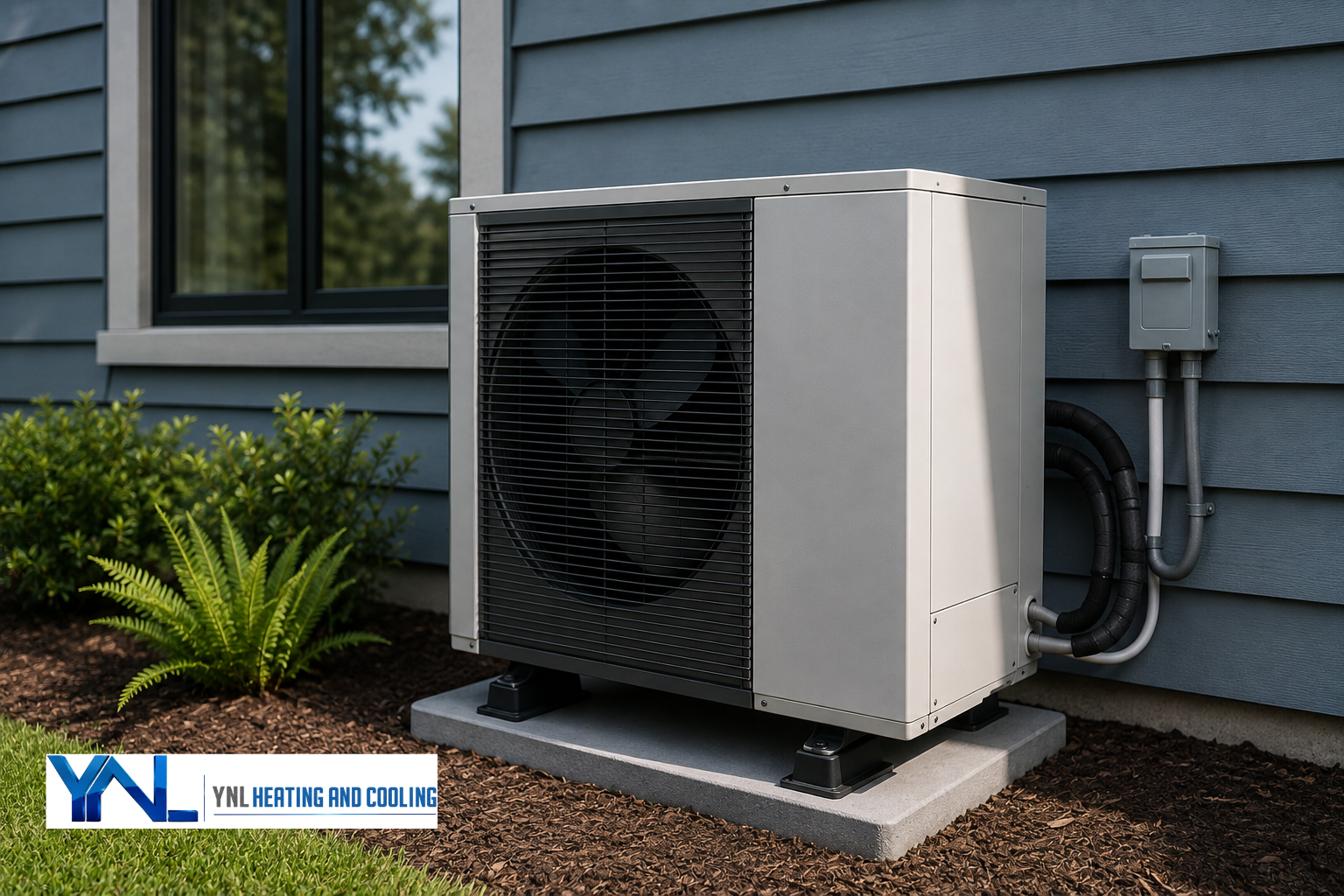
A heat pump uses refrigeration technology to move heat from one place to another. In winter, it pulls heat from outdoor air and moves it indoors. In summer, the process reverses, cooling your home by removing indoor heat. This is why people often compare it to both a furnace and an air conditioner, although it works differently.
Because it transfers heat instead of burning fuel, it can be efficient in many climates. Modern equipment has improved, especially in colder regions where older models used to struggle. So, don't assume a heat pump is only for mild weather. When properly sized and installed, it can provide reliable comfort through most seasonal conditions.
Air-source, ductless, and dual-fuel options
The air-source heat pump is the most common option. It exchanges heat with outdoor air and conditions the indoor space through ducts or air handlers. Ductless mini-split systems are great for additions, remodels, garages, or homes without ductwork. Dual-fuel systems pair a heat pump with a backup furnace for added flexibility in really cold weather.
When comparing options, consider how your home is built and how evenly your rooms heat and cool now. A consultation can clarify whether a standard heat pump, ductless setup, or hybrid arrangement is the best fit. If your current system is aging or inconsistent, it might be worth checking out residential AC repair or a more comprehensive cooling systems evaluation before making a big change.
Why Homeowners Are Choosing Heat Pumps
Year-round comfort in one system
One big perk of a heat pump is convenience. Instead of maintaining separate heating and cooling equipment, you can rely on one integrated system for both seasons. This can make maintenance simpler, reduce equipment clutter, and create a seamless comfort experience all year.
Many people like the steady, balanced operation that heat pumps provide. Instead of abrupt temperature swings, these systems often run longer and more consistently. That can improve comfort, reduce hot and cold spots, and make your home feel more balanced.
Energy savings and efficiency
Heat pumps are known for saving energy because they move heat instead of generating it through combustion. While exact savings depend on factors like insulation, climate, system design, and usage habits, many households see real improvements when replacing older systems. ENERGY STAR notes that high-efficiency heat pump systems can significantly cut energy use in the right conditions, especially with proper installation and controls. For more technical info, check ENERGY STAR’s heat pump guidance.
Efficiency is key not just for utility bills but also for the overall workload on your equipment. A well-matched system may run more smoothly, cycle less aggressively, and experience fewer issues over time. That’s why professional sizing and installation matter so much. A poorly designed system could negate the efficiency benefits you’re hoping to gain.
Better indoor comfort and humidity control
Another reason heat pumps are appealing is their ability to manage indoor comfort with precision. Modern models are better at adjusting output, which means they can respond more gradually to changing conditions. This can help with humidity control in summer and even warmth during colder months.
If you're dealing with stuffy rooms, uneven temperatures, or frequent thermostat adjustments, a heat pump might help. If comfort issues persist, it can be useful to pair system evaluation with preventative maintenance to understand whether the issue stems from maintenance, airflow, duct design, or equipment age.
Is a Heat Pump Right for Your Home?
Home size, insulation, and ductwork
Not every home is a perfect fit for the same heat pump setup. Your home’s size, insulation quality, air sealing, ceiling height, and duct condition all affect how well the system will perform. A larger or leakier house might need a different configuration than a smaller, tightly sealed one.
Homes with existing ductwork might be great candidates for a central heat pump, while homes without ducts could benefit from mini-split zoning. If ductwork is aging or poorly sealed, it may need repair or modification before a new system goes in. This is why a whole-home evaluation is useful before replacement. For anyone considering a bigger HVAC change, learning about proper HVAC sizing can explain why design details are so important.
Climate and backup heat considerations
Heat pumps work well in many climates, but local winter conditions still matter. In colder regions, many folks choose a dual-fuel system so the heat pump handles most of the heating load while a furnace takes over during extreme cold. This setup can balance efficiency and performance.
That said, modern cold-climate heat pumps are more capable than older models. Many are designed to maintain usable heat at lower outdoor temperatures. The key is matching the system to the climate, not just relying on general assumptions. A professional assessment can help determine whether a standard heat pump or a hybrid setup makes more sense for your household.
When repair or replacement makes sense
If your current HVAC equipment is struggling, you might wonder whether to repair it again or invest in a heat pump. The answer usually depends on age, repair frequency, energy efficiency, and comfort quality. Repeated service calls, rising energy bills, and inconsistent temperatures are signs that a replacement conversation is needed.
Sometimes the best move isn’t a full replacement right away but a targeted repair plus a maintenance plan. For instance, if your home has weak airflow or cooling issues, residential AC repair might buy you time while you evaluate your long-term options. In other cases, a full transition to a heat pump may provide the best long-term value. YNL Heating And Cooling can help compare the short-term and long-term impact of each choice.
What to Expect During Installation
Load calculations and system design
Proper installation starts before the equipment is even placed. A contractor should review your home’s layout, insulation, windows, duct system, and comfort goals to determine the right capacity and configuration. This design step is crucial because even excellent equipment will perform poorly if it’s not matched correctly.
A quality contractor should also discuss thermostat strategy, airflow balancing, and whether any duct repairs are needed. In some homes, installation is straightforward. In others, the project may involve minor electrical updates, duct sealing, or zoning improvements. The goal is not simply to install a machine but to create a comfort system that works as a complete whole.
Old equipment removal and setup
During installation, the old system is removed, and the new indoor and outdoor components are positioned for optimal operation. This includes refrigerant line work, electrical connections, drain management, and control setup. A reputable team will test the system carefully before leaving to make sure airflow, temperature response, and safety checks are all in order.
Homeowners should expect clear communication throughout this process. That includes timeline expectations, any temporary discomfort during the work, and how the new controls function once the job is complete. If installation is part of a broader comfort upgrade, you might also want to review our residential furnace installation and residential AC installation options to compare system types and long-term goals.
Why professional installation matters
A heat pump can only perform as well as its installation. Poor sizing, incorrect refrigerant charge, bad airflow, or leaky ducts can all reduce efficiency and shorten equipment life. That’s why professional installation is one of the best investments you can make in your comfort system.
Industry groups like the Air Conditioning Contractors of America emphasize the importance of correct design and installation practices for HVAC performance. You can learn more about standards-minded best practices through the ACCA. The takeaway is simple: the equipment matters, but the workmanship matters just as much.
Maintenance Tips That Protect Performance
Filter changes and airflow checks
Routine maintenance is an easy way to protect your heat pump. Dirty filters restrict airflow, force the system to work harder, and can lead to uneven temperatures or reduced comfort. In many homes, checking the filter monthly is a good habit, especially during peak heating and cooling seasons.
Airflow issues are often more serious than people realize. If vents are blocked, ducts are leaking, or the indoor coil is dirty, the system may struggle even though the equipment itself is technically working. That’s why scheduled service can reveal problems before they become major repairs. Many homeowners pair seasonal care with scheduled preventative maintenance so both heating and cooling components stay ready for changing weather.
Coil cleaning and outdoor unit care
The outdoor unit needs room to breathe. Leaves, dirt, grass clippings, and snow can all interfere with heat transfer and reduce performance. The indoor coil also needs attention because buildup can affect efficiency and comfort. A maintenance visit typically includes cleaning, inspection, and a review of refrigerant and electrical components.
Homeowners don’t need to deep-clean the system themselves, but they can help by keeping the area around the outdoor unit clear and by monitoring for unusual noises, odors, or temperature swings. If you hear persistent rattling, buzzing, or grinding, it’s best to request service quickly rather than wait for a complete failure.
Seasonal tune-ups and long-term reliability
Heat pumps work in both heating and cooling seasons, so they benefit from regular checkups before each major weather shift. A seasonal tune-up helps identify worn parts, low refrigerant issues, thermostat problems, and drainage concerns. That kind of early detection can prevent unexpected breakdowns during the hottest or coldest days of the year.
From a homeowner’s perspective, maintenance isn’t just about avoiding repairs. It’s about protecting the investment you made in your comfort system. If your current setup includes older components or frequent service calls, it may also be wise to compare maintenance costs to long-term replacement planning with a trusted local contractor.
Common Heat Pump Problems and How to Spot Them
Weak airflow or uneven temperatures
If certain rooms feel too warm or too cool, or if the system seems to run constantly without reaching the thermostat setting, the issue may involve airflow, duct design, filter blockage, or equipment sizing. These are common complaints, and they’re not always caused by a major breakdown. Sometimes the fix is simple, but it still requires diagnosis.
Uneven performance can also mean that the system wasn’t installed or balanced properly. In that case, service may need to include duct adjustments or system corrections. If you’re already seeing signs of trouble with summer comfort, our residential AC repair service can help identify whether the heat pump is struggling in cooling mode, heating mode, or both.
Ice buildup, short cycling, and noise
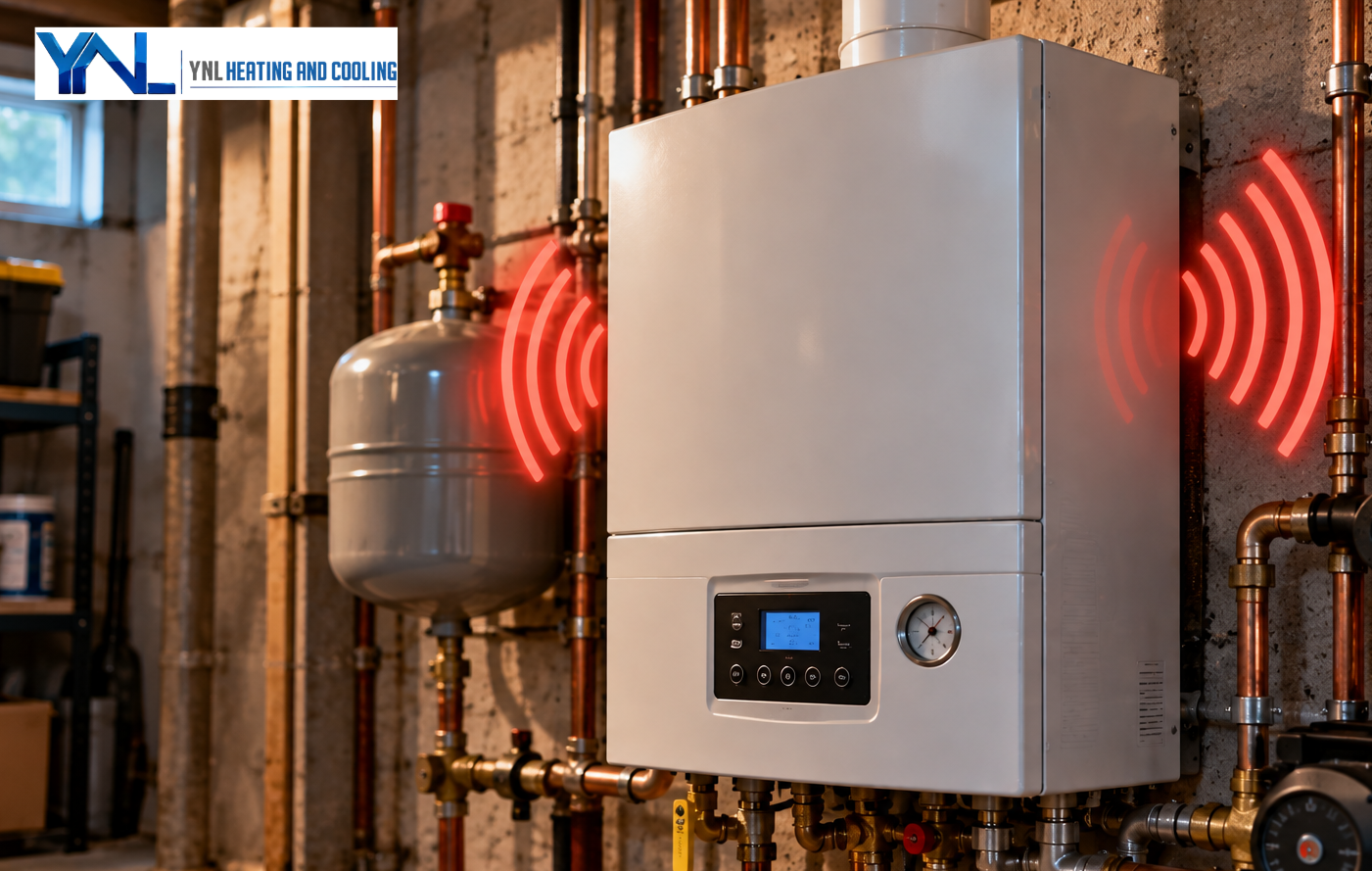
Some outdoor frost can be normal during heating mode, but thick ice buildup might signal an airflow problem, a defrost issue, or a refrigerant concern. Short cycling, where the system starts and stops too often, may point to sizing errors, control issues, or mechanical stress. Loud or unfamiliar sounds can be another sign that something is wrong and shouldn’t be ignored.
When folks respond early, repair options are usually more manageable. Waiting too long can turn a small issue into compressor damage or broader system failure. Good troubleshooting begins with observation: when does the problem happen, how often, and under what weather conditions? Those details make diagnosis faster and more accurate.
When to call for service
Call a professional if the system is blowing lukewarm air, making unusual noises, leaking water, or creating rooms with noticeably different temperatures. You should also request service if your utility bills rise without a clear explanation or if the system can’t keep up during mild weather. These warning signs often point to an issue that will get worse if left alone.
A quick inspection can save time, money, and frustration. In many cases, folks are surprised to learn that the problem isn’t the heat pump itself but another part of the overall HVAC system. That’s why a thorough evaluation is so valuable.
Heat Pump Efficiency and Cost Considerations
Upfront cost versus lifetime value
Heat pumps can need a significant upfront investment, especially if ductwork changes, electrical updates, or control upgrades are needed. But look beyond the purchase price alone. The real value comes from long-term comfort, lower operating costs, fewer repairs, and better year-round convenience.
In homes where the existing equipment is inefficient or aging, a heat pump may deliver a strong return by replacing two separate systems with one modern solution. For anyone focused on budget planning, it helps to compare expected repair costs, energy use, and remaining equipment life before deciding. Our smart HVAC upgrades guide can also help explain how to think about cost over time rather than just initial price.
Utility incentives and rebates
Depending on where you live and what equipment you choose, you might qualify for rebates, tax credits, or utility incentives. These programs can change, so check current local and federal options before purchasing. The Database of State Incentives for Renewables & Efficiency is a useful place to start when researching available support. Visit DSIRE for a broad overview of incentive programs.
These incentives can improve the economics of a project significantly, especially for higher-efficiency systems. They also make it easier for some folks to choose better equipment rather than settling for the cheapest short-term option. A knowledgeable contractor can help you understand which models and installation features may qualify.
How to think about energy use realistically
Energy savings depend on many factors, including how often you run the system, the condition of your home envelope, and the outdoor climate. That means no single savings estimate works for every household. A heat pump should be evaluated as part of a larger comfort and efficiency strategy, not in isolation.
For many folks, the most noticeable improvement isn’t just lower consumption but more predictable comfort. Fewer surprise breakdowns, less noise, and better temperature balance can invest feel worthwhile even before the utility savings are fully realized. That combination of performance and convenience is a big part of why heat pumps continue to gain attention.
Frequently Asked Questions About Heat Pumps
Do heat pumps work in cold weather?
Yes, many modern heat pumps perform well in cold conditions, especially when they are properly sized and installed. Older myths about heat pumps being ineffective in winter are based on outdated equipment. Today’s systems are far more capable, and some are specifically designed for colder climates.
Can a heat pump replace both my furnace and AC?
In many homes, yes. A heat pump can provide both heating and cooling, making it a versatile replacement option. Some folks still choose a backup furnace in a dual-fuel setup for added peace of mind during extreme cold.
How often should a heat pump be serviced?
Most homes benefit from professional maintenance at least once or twice a year, ideally before the heavy heating and cooling seasons. Regular filter changes and visual inspections should happen more often, especially if the home has pets, allergies, or high system usage.
What if my house doesn’t have ductwork?
That doesn’t rule out a heat pump. Ductless mini-split systems are often a great fit for homes without ducts, and they can also solve comfort issues in additions or rooms that never seem to stay comfortable. A consultation can help determine the best path based on your layout and goals.
Final Thoughts: Making the Right Heat Pump Decision
For homeowners, the most important thing about heat pumps is that they’re not just another HVAC trend. They’re a proven comfort solution that can improve efficiency, simplify your system, and support year-round temperature control. The best results come from matching the equipment to the home, installing it carefully, and maintaining it consistently.
If you’re thinking about replacing aging equipment, improving efficiency, or solving comfort issues, a heat pump might be the right answer. It’s especially worth exploring if your current system is unreliable, noisy, or expensive to run. For expert help with heating, cooling, repair, or replacement, YNL Heating And Cooling is ready to guide you toward the right solution for your home.
To learn more or schedule a consultation, explore our heating systems services, review our cooling systems support, or contact our team directly to discuss the best comfort option for your property.
Ready to improve your home comfort? Reach out to YNL Heating And Cooling today and get practical, honest guidance on whether a heat pump is the right fit for your home.